
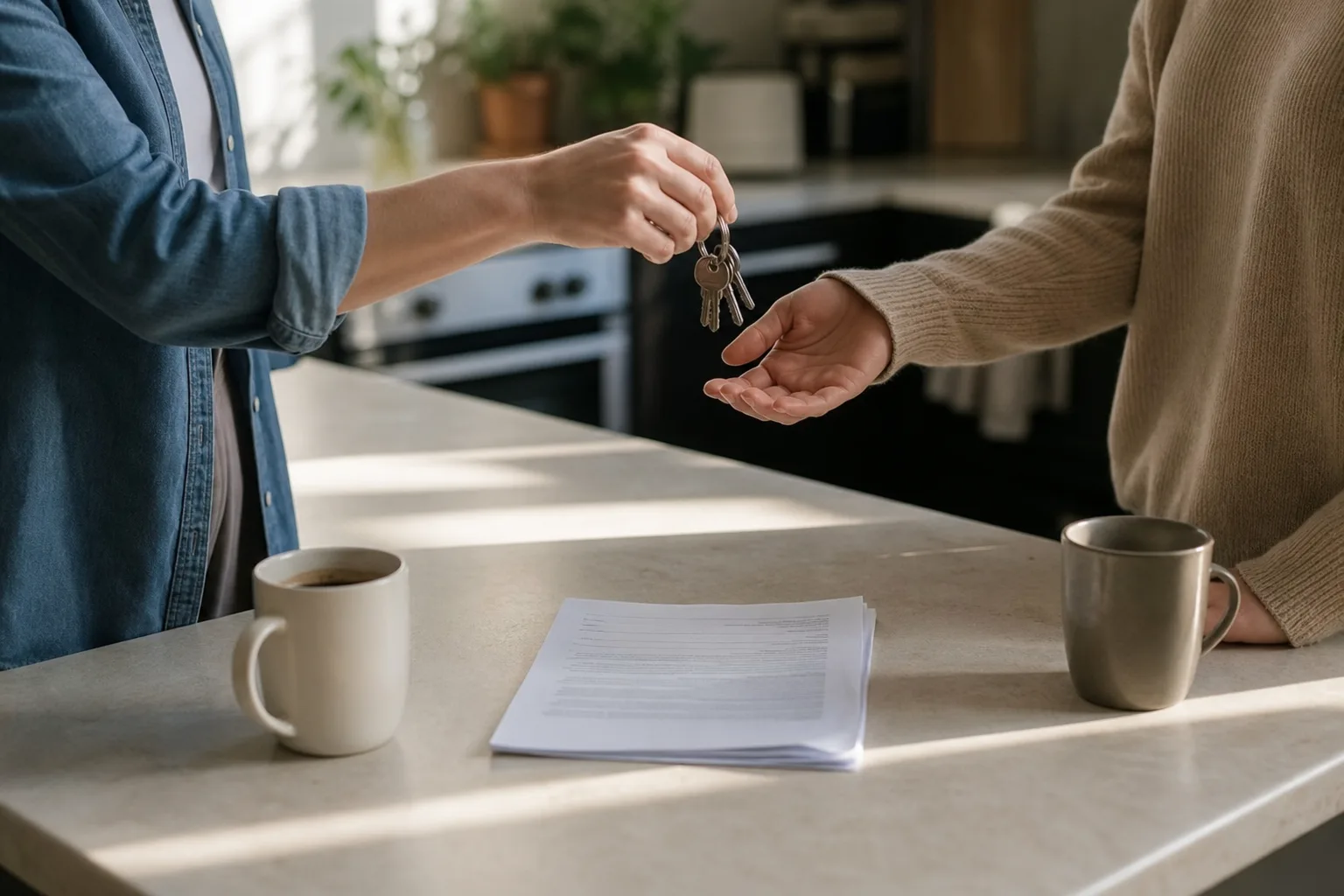
Subletting can save you a lease-break fee, keep a room paid while you travel for the summer, or hand a friend an apartment they couldn't otherwise afford. Done wrong, it can also get you evicted, lose you your security deposit, and leave you on the hook for rent your subletter doesn't pay.
The good news is that the difference between a clean sublet and a disaster is mostly paperwork done in the right order. This guide covers what subletting actually is, how to get landlord permission, what belongs in a sublet agreement, and how to protect yourself once someone else has your keys.
Renting from a landlord who is easy or hard to work with on sublets? Leave a review on RentWise. Sublet flexibility is exactly the kind of thing the next renter wants to know before they sign.
In this guide
- What subletting actually is
- Check your lease first
- Ask your landlord in writing
- Put the sublet in writing
- Screen your subletter like a landlord would
- Handle the money, the deposit, and the utilities
- Do a walkthrough at handoff and again at handback
- When state law overrides your lease
- Frequently asked questions
- Sources used
This is general information, not legal advice. Landlord-tenant law, and especially sublet law, is state-specific. Verify anything below against your lease and your state's landlord-tenant office before you act.
What subletting actually is
A sublet is a rental agreement inside your rental agreement. You (the original tenant) remain on the lease and stay legally responsible for rent, damage, and lease compliance. You then rent the unit, or a room in it, to a subletter for part of your lease term. The subletter pays you. You pay the landlord.
That's different from an assignment, where you transfer the entire lease to someone else and step out of it. Assignments are rare in residential renting because landlords usually want the new person on a fresh lease, not stepping into yours. Most of what people call "subletting" is actually a sublet, not an assignment.
Two things follow from this that most renters miss:
- If your subletter stops paying rent, damages the unit, or violates the lease, the landlord is going to come after you, not them. Your name is still on the lease.
- Whatever protection you had under the original lease, your subletter gets a version of that from you, and you owe them the same habitability duty a landlord owes a tenant.
Check your lease first
Before anything else, read your lease for the words "sublet," "sublease," "assignment," or "guest." Most standard residential leases include one of these three patterns:
- Silent on subletting. Rare, but it happens with informal or small-landlord leases. If the lease says nothing, state law fills the gap (see the state section below).
- Sublet allowed with written landlord consent. The most common clause. You can sublet, but only after the landlord signs off in writing.
- Sublet prohibited. Some leases flatly ban it. Even here, you can often negotiate an exception with the landlord in writing, but you have zero right to sublet without one.
Subletting in violation of a "no sublet" clause is a lease breach and grounds for the landlord to send you a notice to cure or an eviction filing. That is true even if the subletter is quiet, pays on time, and never causes a problem. The breach is subletting itself, not anything the subletter does.
Ask your landlord in writing
If the lease requires consent (which most do), get it in writing before you list a room or accept a deposit. A phone call is worse than nothing, because you now have a subletter waiting on an agreement you can't prove exists.
A written request should include:
- Your name, unit, and lease term
- The exact dates the sublet will run (start and end)
- Whether it's the whole unit or a specific room
- The name of the subletter (once you have one), their contact information, and, if the landlord asks, their employment or reference details
- Your intent to remain on the lease and responsible for rent
Send it by email so you have a timestamp. If the landlord agrees, get the agreement in writing too, even if it's just a reply email saying "Yes, approved for the dates and person above." Save it.
If the landlord doesn't respond, follow up in writing after a reasonable window (a week is usually fair) and note in your file when you sent each message. Silence is not consent.
Put the sublet in writing
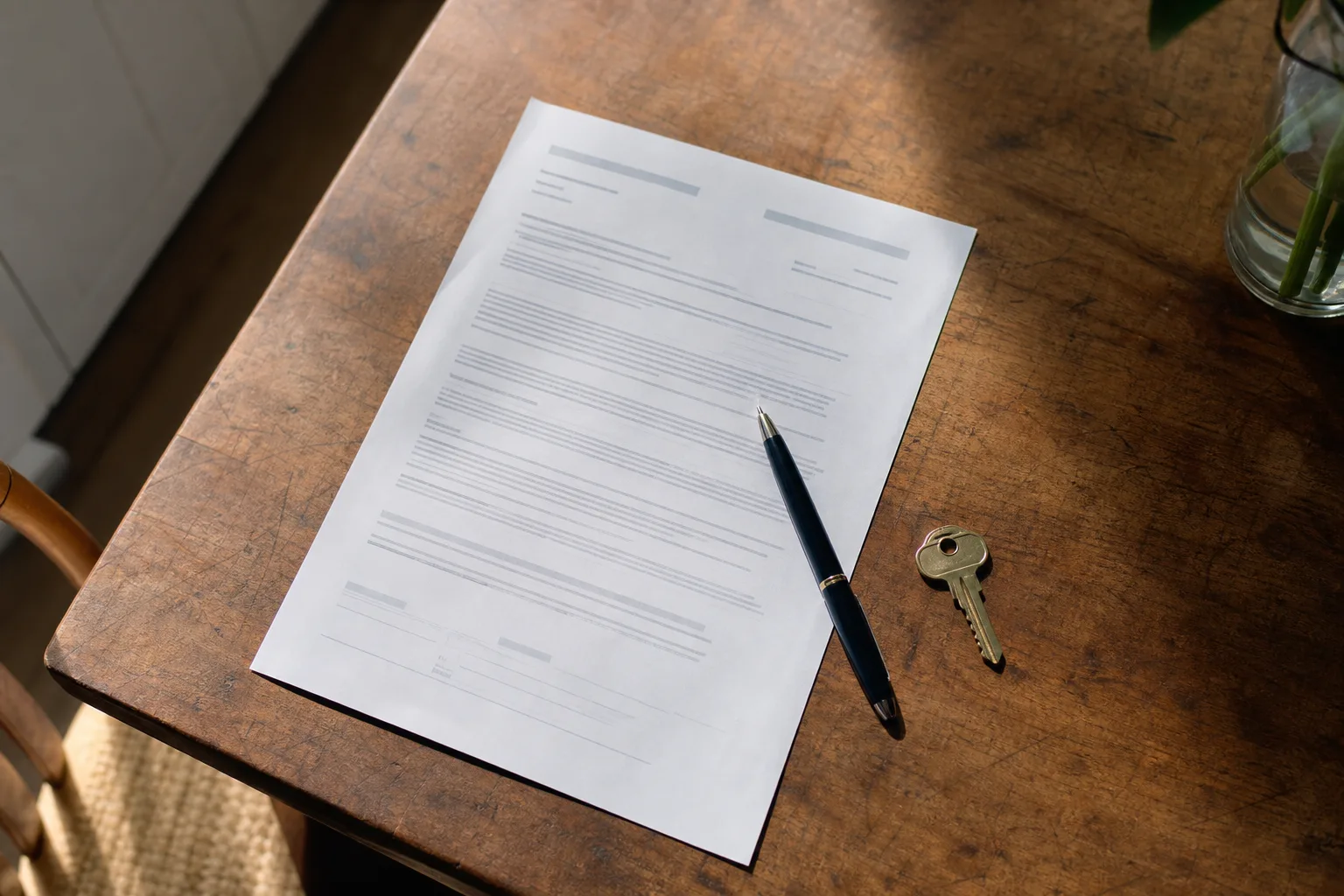
A verbal sublet agreement is legal in most states for terms under a year, but it protects nobody. The point of a written sublet agreement is that when something goes wrong (and something usually goes wrong), the terms are on paper and everyone knows what they signed.
A good sublet agreement covers:
- The parties. Your full legal name, the subletter's full legal name.
- The address and what's being sublet. Whole unit or a specific room. If it's a room, list which shared spaces the subletter has access to.
- The dates. Start and end. Sublets should always be for a fixed term, never month-to-month, so you can hand the unit back cleanly.
- The rent amount, due date, and how to pay. Also whether the subletter pays you or the landlord directly (paying you is more common and keeps the relationship clear on paper).
- Security deposit. How much, held by whom, and the conditions for its return.
- Utilities. Who pays what.
- Attachments. The subletter should get a copy of the master lease and any building rules, and should sign that they agree to abide by them.
- Signatures and date. Both parties, ideally in front of a witness or with a copy sent to each side by email so there's a record.
A written agreement is the single most important document in a sublet and the one most renters skip. Get it done before you hand over keys.
Renters who share good and bad sublet experiences help each other. Leave a review of your landlord, especially how they handled sublet requests. The next renter will thank you.
Screen your subletter like a landlord would
You're taking on landlord risk, so take on landlord discipline. Even for a friend of a friend, do a real screening. At minimum:
- Ask for a photo ID.
- Ask for proof of income (a recent pay stub, an offer letter, or bank statements).
- Get references from a current or recent landlord if possible, or an employer if not.
- Do a basic name check for eviction records in your county. Many counties post court records online for free.
- Talk to them in person or on video before you commit. Trust the vibe.
If you're renting to a stranger, you are effectively a small-scale landlord. If that feels uncomfortable, price it in. Charge a modest premium, or reduce the sublet term to something you can survive if it goes sideways.
Handle the money, the deposit, and the utilities
Money is where sublets most often blow up. Keep it simple, keep it clean.
Rent. Have the subletter pay you, not the landlord. It keeps the paperwork consistent (your name is still the one on the master lease), and it keeps the landlord out of your relationship with the subletter. Set up a written payment method (bank transfer, Venmo with a memo, or a check series). No cash without a receipt.
Security deposit. Collect a separate deposit from the subletter. It should cover damage to the unit and rent shortfalls, and it should be the same or lower than what the landlord holds from you. Keep it in a separate account, not commingled with your own money. Return it within a reasonable window (state deposit-return timelines vary; the same statutes that govern landlord-to-tenant returns often govern tenant-to-subtenant returns in your state).
Utilities. Decide in writing who pays what and how the handoff works. Two common patterns:
- Utilities stay in your name and the subletter reimburses you monthly based on the bill.
- Utilities transfer to the subletter for the sublet term and back to you when it ends.
Reimbursement is easier. Transferring accounts twice creates opportunities for things to fall through the cracks.
Do a walkthrough at handoff and again at handback
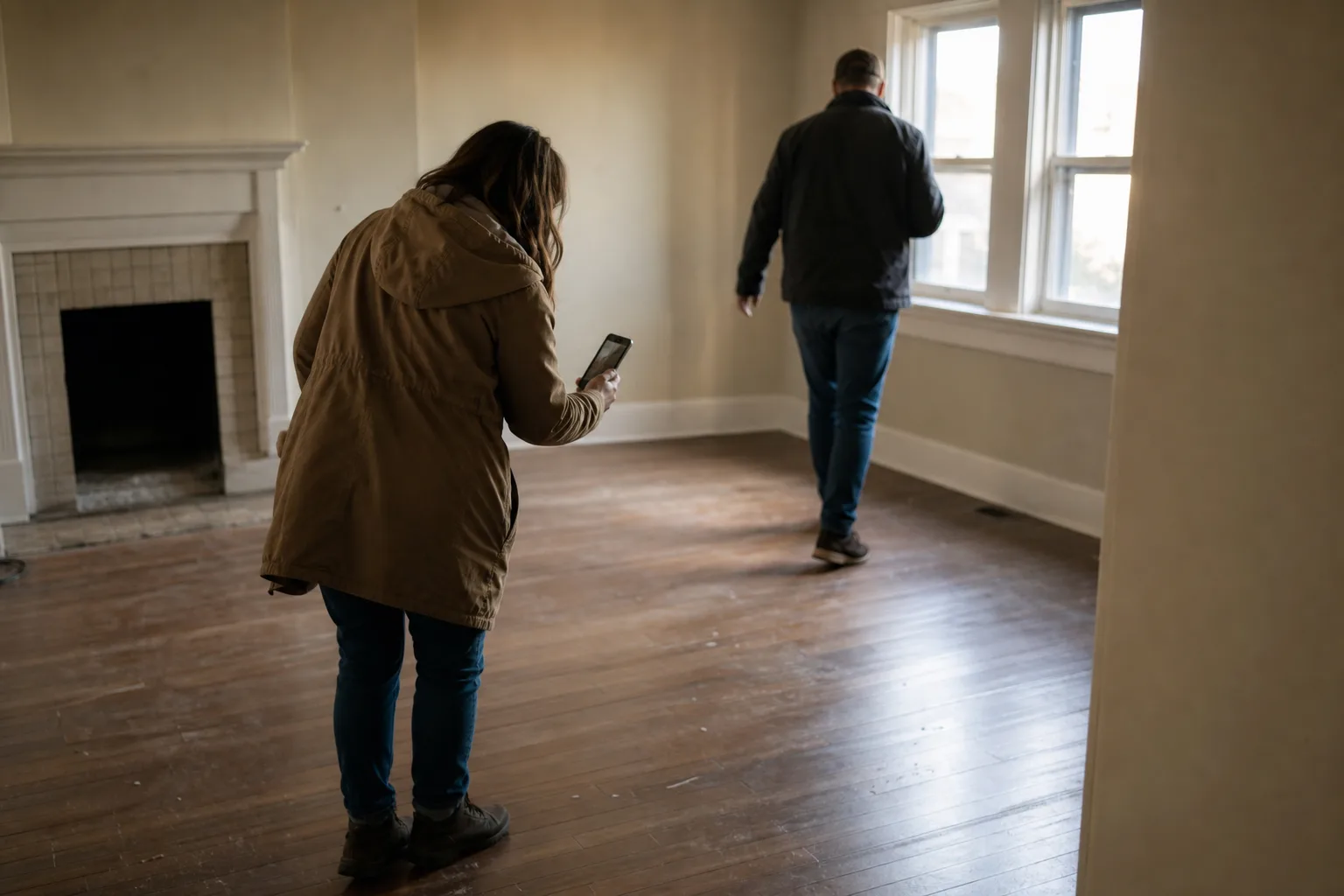
The same rule that protects tenants from landlords protects you from your subletter. Document the unit before they move in, again when they move out, and hold on to both records.
At handoff:
- Take date-stamped photos of every room. Include the walls, floors, appliances, and any pre-existing damage.
- Sign a written condition report with the subletter noting anything already broken or scuffed.
- Give the subletter a copy of the lease, house rules, and your emergency contact.
At handback:
- Compare the unit to the handoff photos.
- Note any new damage in writing before returning the deposit.
- Confirm keys, fobs, and remotes are all returned.
If you skip this, the deposit dispute has no ground to stand on, and the party without documentation loses.
When state law overrides your lease
For most renters in most states, sublet law is governed by the lease. If the lease requires consent, you need consent. If it prohibits subletting, you can't sublet without a written exception.
A few states carve out tenant-friendly rules that override lease provisions. The most notable:
- New York. Under Real Property Law §226-b, tenants in buildings with four or more residential units have a statutory right to sublet subject to the landlord's consent, which "shall not be unreasonably withheld." The tenant must send a written request by certified mail with specific information, and the landlord has 30 days to respond. Failure to respond within 30 days is treated as consent. This overrides a "no sublet" clause in most NYC leases.
That is essentially the only state statute that grants a broad affirmative sublet right against a lease that says otherwise. In California, Massachusetts, Texas, Florida, and every other high-rental state I've looked at, sublet rights are what the lease says they are. If the lease says written landlord consent, you need written landlord consent.
There are narrower exceptions in some states for tenants leaving because of active-duty military orders or domestic violence, and some rent-stabilized units in NYC and San Francisco have additional protections. Check with your state's landlord-tenant office or a legal-aid line if you think an exception applies to you.
Frequently asked questions
Can my landlord say no to a subletter for any reason?
In most states, yes. The lease governs, and if the lease says the landlord has final say, they do. The main exception is New York, where under §226-b in buildings of four or more units the landlord's consent cannot be "unreasonably withheld." Even then, "unreasonable" is defined narrowly and the landlord has 30 days to respond, so plan the request early.
Am I still on the hook if my subletter doesn't pay rent?
Yes. Subletting doesn't remove you from the master lease. If the subletter stops paying, the landlord charges you. You then have to try to collect from the subletter, usually in small-claims court. Screen carefully and hold a deposit.
Do I need a written agreement for a short sublet?
Yes. A three-week sublet with a friend still needs a written agreement covering rent, dates, damage, and deposit return. Verbal agreements are legal in most states for short terms, but they protect no one when there's a dispute.
What happens if I sublet without landlord permission?
You've breached the lease. The landlord can send you a notice to cure (fix the breach, usually by ending the sublet within a set number of days), or in some states file an eviction directly. Even if the sublet goes fine, the breach is still on record. Not worth it.
Can I charge my subletter more than my rent?
That depends on state law and the lease. Rent-stabilized units in NYC, San Francisco, and some other cities strictly cap what a tenant can charge a subletter (often at the tenant's own rent plus a small allowance for furnished units). In market-rate units, most states allow it unless the lease prohibits. Charging significantly above your rent looks like profit-taking to a landlord and can hurt your future request for consent.
What if my subletter refuses to leave when the sublet ends?
You (not the landlord) usually have to evict them, because you're their landlord. This is one of the worst possible outcomes and it's why the sublet agreement should always be for a fixed term with a firm end date, and why screening matters.
Should the landlord meet the subletter?
Often yes. Some landlords require it. Even when they don't, offering it can smooth the consent process and reduces the chance of surprise if the landlord runs into your subletter in the hallway.
Sources used
Checked 2026-07-28.
- New York Real Property Law §226-b (right of tenant to sublet in buildings of four or more residential units): https://www.nysenate.gov/legislation/laws/RPP/226-B
- California Civil Code Chapter 6, Assignment and Sublease of Real Property (§§1995.010 through 1995.340): https://leginfo.legislature.ca.gov/faces/codesTOCSelected.xhtml?tocCode=CIV&tocTitle=+Civil+Code+-+CIV (note: this chapter applies to non-residential leases; California residential subletting is governed by the lease and general contract law)
- NYC Rent Guidelines Board, Sublets in Rent-Stabilized Apartments overview: https://rentguidelinesboard.cityofnewyork.us/resources/faqs/