
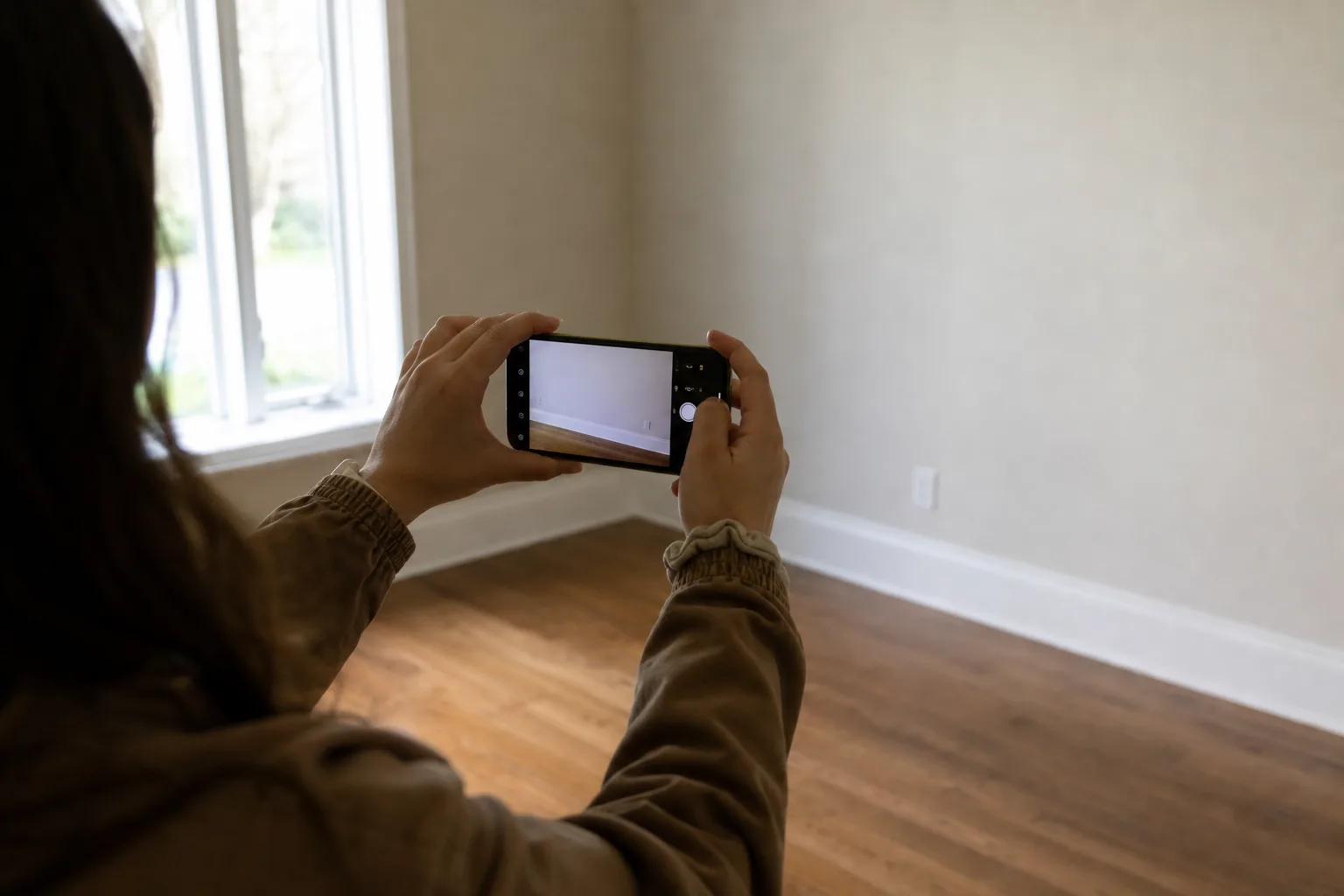
Most deposit deductions get argued about after the fact, when the tenant is already in a new city, the apartment has been repainted, and it's the landlord's word against a foggy memory. By then, the burden is entirely on the tenant to prove what condition the unit was actually in when they left.
The move-out inspection is the moment that flips this. If you document the condition of the unit properly on your last day, you have a record the landlord's charges have to line up with. This guide walks through how to schedule the inspection, what to document, what to sign, and what to do if the landlord skips the walkthrough entirely.
Renting from a Minnesota landlord and about to move out? Leave a review on RentWise. How a landlord handles the move-out inspection and deposit return is exactly what the next renter needs to know before signing.
In this guide
- Why the move-out inspection matters
- Schedule it (and know when your state requires one)
- What to bring to the walkthrough
- Room by room: what to check and how to document it
- Get the condition report in writing
- What to do if the landlord skips the walkthrough
- After the inspection
- Frequently asked questions
- Sources used
This is general information, not legal advice. Deposit and inspection rules are state-specific. Verify anything below against your state's landlord-tenant office or a legal-aid line before you act.
Why the move-out inspection matters
A move-out inspection is the walkthrough between you and the landlord (or their agent) that documents the condition of the unit at the end of your tenancy. It's the reference point for every deposit deduction the landlord might try to claim later.
Three specific things a good move-out inspection prevents:
- Charges for damage that was already there. If the crack in the tile was in your move-in photos and again in your move-out photos, the landlord can't charge you for it.
- Charges for normal wear and tear. In most states, landlords cannot deduct for wear and tear (faded paint, worn carpet in high-traffic areas, minor nail holes). Documented condition gives you the vocabulary and evidence to push back.
- Made-up damage claims. Some landlords will invent damage after move-out if they think a former tenant won't fight it. A signed inspection report and dated photos make invented claims collapse.
The whole point is to leave with a shared, written record of what the unit actually looked like when you handed back the keys.
Schedule it (and know when your state requires one)
Ask for the inspection at least a week before your move-out date. Send the request in writing. Aim to do it either the day you hand back the keys or the day before, once the unit is empty and cleaned.
Some states go further and require the landlord to offer a pre-move-out inspection with time for the tenant to fix issues:
- California (Civil Code §1950.5(f)) requires the landlord, once notice has been given, to notify the tenant of their right to request an "initial inspection" before move-out. The inspection has to happen no earlier than two weeks before the tenancy ends, and the landlord must give the tenant an itemized list of what would be deducted so the tenant has a chance to fix it. This is a valuable right; use it if you rent in California.
- Minnesota (Minn. Stat. §504B.182) requires the landlord, within a reasonable time after either side gives notice to end the tenancy (or before the lease term ends), to tell the tenant in writing that they can request a move-out inspection and be present for it. If the tenant asks, the landlord must do the inspection no earlier than five days before move-out, so the tenant has a chance to fix what it turns up before it comes out of the deposit. The same law gives tenants the option of an initial inspection at move-in. A landlord who skips the notice, or doesn't do an inspection the tenant asked for, can owe the tenant a penalty equal to the deposit amount withheld, on top of that amount (Minn. Stat. §504B.178, subd. 4).
- Nevada, Kentucky, Massachusetts, Michigan, and others have variations on move-in and move-out inspection statutes. Check your state.
Two more Minnesota rules are worth knowing. First, if you agree, the landlord can skip an inspection and instead give you a written acknowledgment of photos or videos of the unit, agreeing to its condition at move-in or move-out (Minn. Stat. §504B.182, subd. 1(b)). If you take that route, make sure the acknowledgment is signed and dated and that you keep your own copies of the photos and videos it covers. Second, a lease clause, written or oral, that has you give up these inspection rights, such as "no move-out inspection," is void (Minn. Stat. §504B.182, subd. 4). The landlord is off the hook only if you choose not to request an inspection or agree to the photo/video alternative.
Even in states with no statutory requirement, the landlord is almost always willing to do a walkthrough on request. Ask.
What to bring to the walkthrough
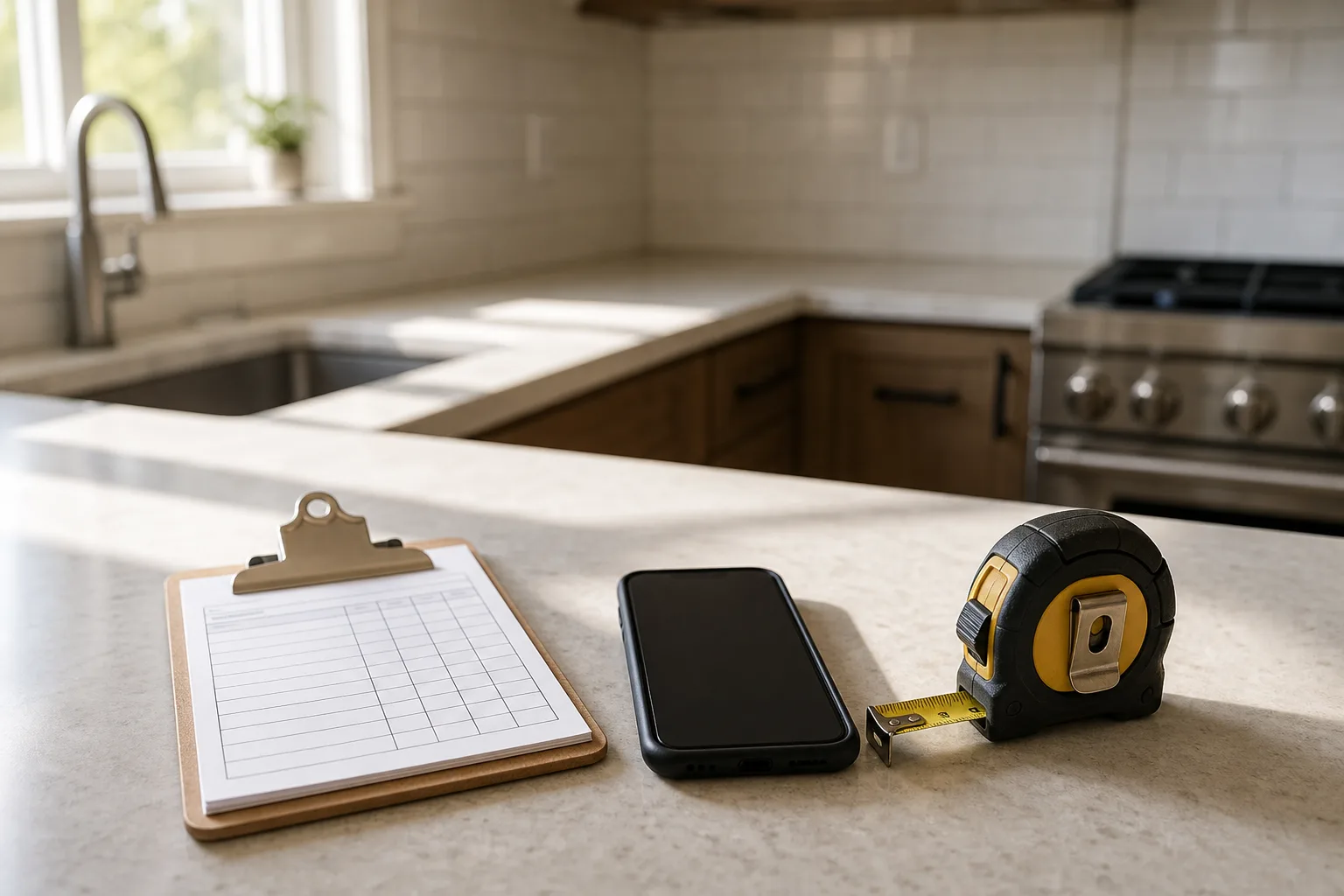
Come prepared. The walkthrough should take 30 to 60 minutes for a typical apartment.
- Your move-in condition report and photos. These are the reference. If you don't have a move-in report, your first-day photos are the next best thing.
- A written checklist you'll fill out room by room, or a printed condition report form the landlord provides.
- Your phone, fully charged, for photos and video.
- A tape measure for damage size where relevant (a small nail hole is different from a large hole).
- A pen.
- A witness if possible. A roommate or friend who was there during your tenancy makes a signed statement more credible if things go wrong later.
If you already know areas of concern (a stain on the carpet, a damaged blind), address them proactively when the landlord arrives. Don't try to hide anything; hidden damage that surfaces later after they've deposited your check is a much bigger problem than damage they notice with you present.
Room by room: what to check and how to document it
The same pass covers every room. In each one, check and photograph:
- Walls and ceilings: paint condition, nail holes, scuffs, cracks
- Floors: carpet stains and wear, hardwood scratches, tile damage, laminate seams
- Windows and blinds: glass, screens, blinds functional, sills clean
- Doors: hinges, knobs, locks working, no damage to the door itself
- Trim and baseboards: condition, chips, paint
- Fixtures: light fixtures, switches, outlets, ceiling fans all working
- Appliances (kitchen and laundry): interior and exterior clean, working
- Plumbing (kitchen and bathrooms): faucets working, no leaks, drains flowing
- Cabinets and drawers: interiors clean, doors and drawers operate
For each item, take a wide photo of the area and a close-up of anything worth documenting. Note in your checklist what you found, referencing where it was in the room.
For damage that was pre-existing (in your move-in report or photos), write "pre-existing per move-in report" next to it on the checklist. This is the single most important note you'll write.
Get the condition report in writing
At the end of the walkthrough, both you and the landlord (or their representative) should sign a written condition report. The report should include:
- The date and time of the inspection
- The address and unit number
- The names of everyone present
- A room-by-room summary of the condition, with notes on anything the landlord considers damage
- A section for the tenant's comments where you can respond to any disputed items in writing at the time
- Signatures of both parties
Get a signed copy before you leave. Photograph it if the landlord will only give you a paper copy. Take home the signed original if the landlord agrees; take home a signed copy if they don't.
If the landlord identifies damage you don't agree with, don't sign a report that only reflects their view. Add your own note in the tenant-comments section: "Tenant disputes this item. Wall condition matches move-in photos taken [date]." Then sign. Refusing to sign entirely can be interpreted as walking out on the process; signing with a written objection preserves both your evidence and your position.
A landlord who runs a fair walkthrough is worth knowing about. So is one who doesn't. Leave a review. This is exactly the kind of thing renters help each other with. Not sure what to write? Here is how to write a landlord review that helps.
What to do if the landlord skips the walkthrough
Some landlords will refuse to do a walkthrough or not show up on the day they agreed to. This is bad for them, actually. A missing walkthrough weakens their ability to prove damage in a later dispute. Do this if it happens:
- Send a written request as far in advance as possible, and follow up if no response.
- Do the walkthrough alone at your scheduled move-out time. Photograph and video everything, room by room. Narrate on the video the date, address, and that the landlord declined to attend.
- Send the landlord your photos and video by email the same day, with a written summary of the unit condition. This puts a dated record in their inbox and yours.
- Have a witness present during your solo walkthrough if at all possible. Get a written and signed statement from them describing the condition.
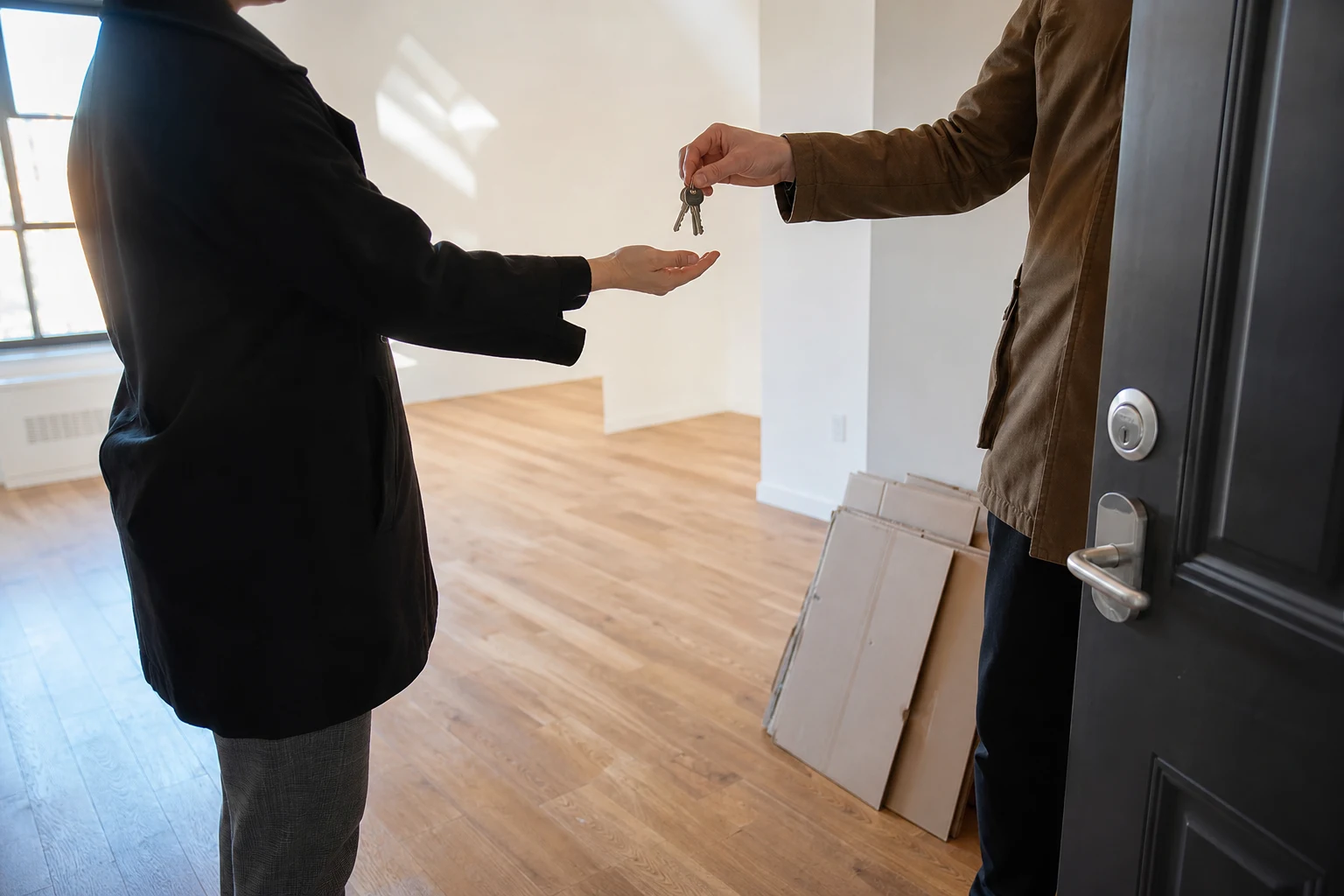
- Keep the keys until you have proof of return. Return them in person with a witness, or by tracked mail (certified with signature required). Note the date and time in your file.
In Minnesota, a landlord who never sent the written inspection notice, or skipped an inspection you asked for, can owe you a penalty on top of any deposit amount they withhold (Minn. Stat. §504B.178, subd. 4). Say so in your written demand.
The pattern is the same as any other landlord-tenant dispute: the person with dated, specific documentation wins, and the person without loses.
After the inspection
Save every piece of documentation from the walkthrough in one place: the signed condition report, all photos and videos, your checklist, any emails with the landlord, and the record of key return. Keep this file for at least the deposit-return period in your state (see our state deposit return guides for the specific timeline) plus one to two years afterward.
If the landlord returns your deposit in full, great. Save the records anyway; back-charges have surfaced months after a deposit was returned.
If the landlord withholds part or all of your deposit, the inspection file is what you use to dispute it. Match every deduction against your photos and the signed report. Send a written demand for return of anything unjustified (here is a fill-in demand letter and the steps after it). If that doesn't work, small-claims court is the next step. Almost every state's deposit statute allows the tenant to recover the withheld amount (sometimes plus penalties and attorney's fees) if the landlord's deductions can't be documented. See your state's specific deposit guide for the deadline and penalty rules.
Frequently asked questions
Is my landlord required to do a move-out inspection?
It depends on the state. California and Minnesota require the landlord to tell you in writing that you can request an inspection before you move out. Nevada, Kentucky, Massachusetts, Michigan and others have statutory requirements around move-in and move-out inspections. Most states do not require one but the landlord will typically agree if the tenant requests it. Even without a legal requirement, doing one protects both sides.
Can I request a pre-move-out inspection?
In California (Civil Code §1950.5(f)) and Minnesota (Minn. Stat. §504B.182), yes, by statute. In Minnesota, a lease clause that waives that right is void (subd. 4). In many other states, you can ask and the landlord will often agree, though they don't have to. The pre-move-out inspection is valuable because it gives you the chance to fix or clean items the landlord would otherwise charge for.
What if I don't have a move-in condition report?
Use your move-in photos (if you have them) or a written statement of what you remember. The absence of a move-in report puts more weight on your move-out photos as the primary reference. Take extensive move-out documentation.
Can my landlord deduct for normal wear and tear?
In most states, no. "Normal wear and tear" (fading, minor wear from ordinary use, small nail holes, worn carpet in high-traffic areas) cannot be deducted from the deposit. What counts as normal versus damage varies, but light scuffing after years of tenancy is not damage; a broken window is.
What if I disagree with a charge on the condition report?
Add a written note in the tenant-comments section stating your position and the evidence (matching move-in photo, etc.), then sign. Refusing to sign entirely is worse; signing with a written objection preserves both your evidence and your position for a later dispute.
How long does the landlord have to return my deposit after move-out?
State-specific. In Minnesota, 21 days. In California, 21 days. In Texas, 30 days. In Washington, 30 days. In New York, 14 days. See our state-by-state guides for the exact deadline and penalty rules for wrongful withholding.
What if the landlord charges me for damage I documented as pre-existing?
Send a written response with the move-in photos or move-in condition report attached. Demand return of the wrongfully withheld amount within a specific timeframe (14 days is common). If the landlord doesn't return it, small-claims court is the next step. This is exactly the scenario a good move-out inspection prevents.
Sources used
Checked 2026-07-28. Minnesota statutes checked 2026-09-30.
- California Civil Code §1950.5 (security deposits, initial inspection, and deductions): https://leginfo.legislature.ca.gov/faces/codes_displaySection.xhtml?sectionNum=1950.5&lawCode=CIV
- Minnesota Statutes §504B.182 (initial and final inspection required): https://www.revisor.mn.gov/statutes/cite/504B.182
- Minnesota Statutes §504B.178 (security deposits; subd. 4 damages for skipped inspections): https://www.revisor.mn.gov/statutes/cite/504B.178
- Nolo, tenant's guide to move-out inspections and getting the deposit back: https://www.nolo.com/legal-encyclopedia/renters-rights
- HOME Line (Minnesota tenant hotline): https://homelinemn.org/
- U.S. Department of Housing and Urban Development, tenant rights and responsibilities overview: https://www.hud.gov/topics/rental_assistance/tenantrights