

If you've just received an eviction notice in Minnesota, the most important thing to know is that you are not yet evicted. An eviction is a court process. The notice is the first step, not the last. There's time to respond, options to negotiate, and procedural rights you can use, but the clock has started, and what you do in the first 72 hours shapes how the rest of it plays out.
This guide walks through what an eviction actually is under Minnesota law, what kind of notice you should have received, and the steps that give you the best shot at staying housed.
This is not legal advice. Eviction defense is high-stakes. If you can possibly get a tenant attorney, even just for a one-hour consultation, do it. Free options are listed at the bottom of this guide.
Have you rented from a Minnesota landlord, with or without an eviction? Leave a review on RentWise. How a landlord treats notice, repairs, deposits, and disputes is exactly what the next renter needs to know before signing.
In this guide
The first 72 hours
Do these, in this order:
- Read the notice carefully. Note the reason for eviction (nonpayment, lease violation, end of term, holdover), the date it was issued, and any deadline it gives you.
- Save the notice. Photograph it. Keep the envelope if it came by mail. Note how you received it (in person, posted on the door, certified mail).
- Do not move out. Until a judge issues a writ of recovery, the landlord cannot legally remove you. Voluntarily leaving early can also waive defenses.
- Call a tenant attorney or legal aid line. See the resources section below. Many offer same-day phone consultations.
- Gather every receipt, text, and email between you and the landlord, especially anything about rent payments, repairs, or complaints. Make digital copies.
- If the reason is nonpayment of rent, calculate exactly what you owe. In Minnesota you can usually stop the eviction by paying the full amount owed plus court costs up until a writ is issued. This is called "redemption."
- Apply for emergency rental assistance immediately. Programs can take weeks to process; getting in queue today matters.
What kind of notice you should have received
Minnesota notice requirements depend on the reason for the eviction and the type of tenancy. Common cases:
| Situation | Required notice |
|---|---|
| Nonpayment of rent (post-2023 reform under §504B.321) | 14-day written notice before filing |
| Month-to-month termination | Full rental period notice ending at the end of a rent period |
| Lease violation (other than nonpayment) | What the lease specifies, often 7 to 30 days |
| End of fixed-term lease | The lease end date itself; no separate notice unless lease requires it |
| Material violation of the lease (after notice) | Eviction may follow directly |
The 14-day nonpayment notice rule, in effect since 2023 under Minnesota Statutes §504B.321 subd. 1a, is a meaningful change. If the landlord filed an eviction for nonpayment without first sending the 14-day pre-filing notice, that's a procedural defense you can raise in court.
If the notice you received doesn't match any of these patterns, or doesn't state a clear reason, that's worth pointing out to a tenant attorney before your hearing.
Your rights once an eviction is filed

Once the landlord files the eviction action with the court, you'll be served with a summons and complaint. From service of the summons, you typically have 7 to 14 days before your first court hearing.
You have the right to:
- A hearing in housing court. You can appear and contest the eviction. Do not skip the hearing. Missing it almost guarantees a default judgment against you.
- An attorney. You don't have a guaranteed right to a public defender in eviction cases, but several Minnesota nonprofits provide free tenant attorneys (see below).
- Discovery. You can request documents and information from the landlord before the hearing.
- A jury trial in some cases, though most evictions are bench (judge-only) trials.
- Appeal if you lose, with limited time windows.
- Eviction expungement. If you win the case, or under certain conditions if you lose but pay up, you can ask the court to seal the case from public record. This matters a lot for your next apartment search.
Defenses that actually work in Minnesota
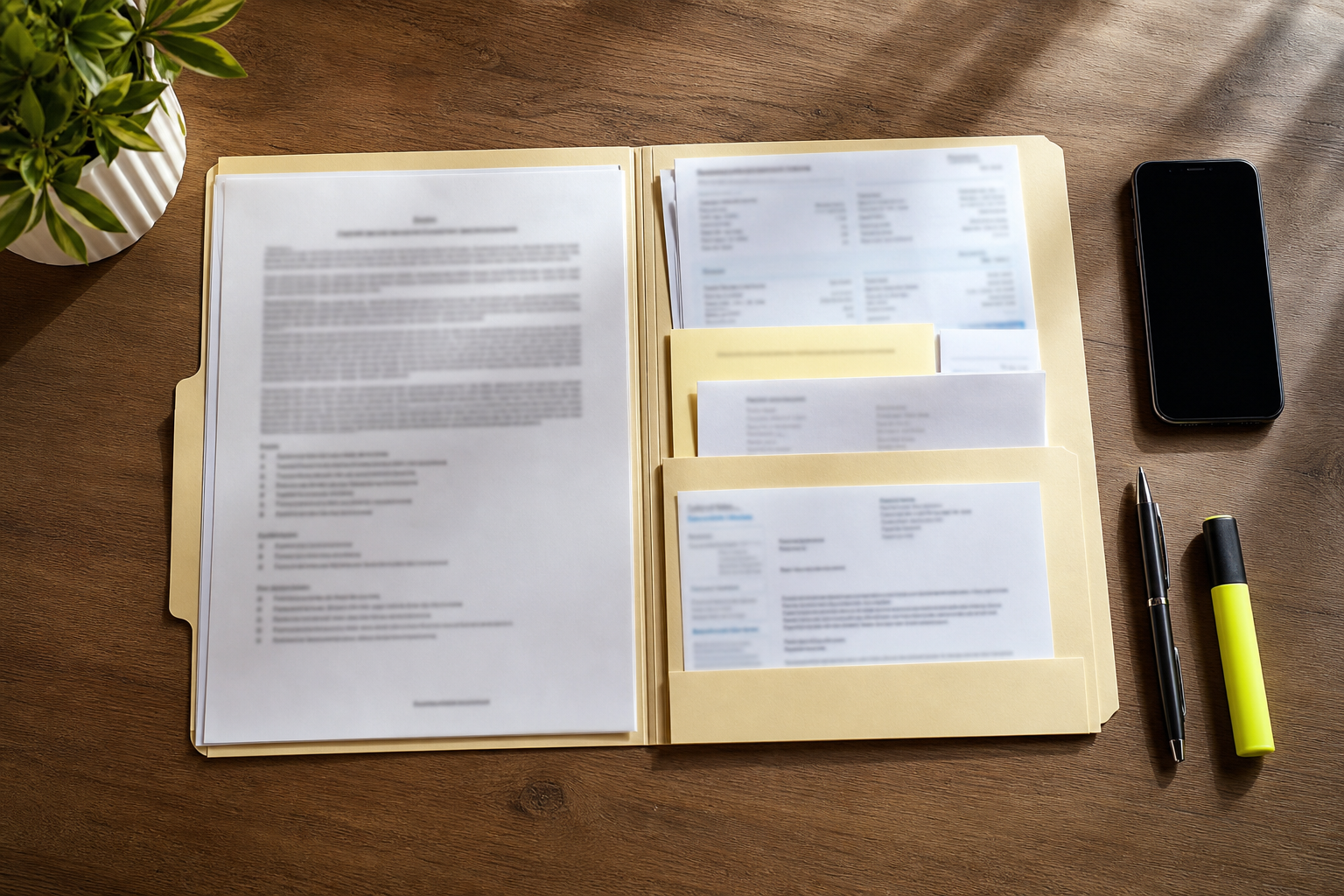
These are the defenses tenant attorneys raise most often in Minnesota eviction court. Some apply only in specific cases:
- Failure to provide required notice (especially the 14-day pre-filing nonpayment notice)
- Improper notice contents (missing landlord name, missing reason, wrong dates)
- Improper service of the summons
- Habitability defense under §504B.385 (you withheld rent because the unit was unsafe and the landlord refused to fix it). This is a real defense but it requires specific procedural steps, ideally documented in advance, and an attorney can tell you if your facts support it.
- Retaliation under §504B.285 (the eviction came after you complained to the city, asked for repairs, or joined a tenant organization)
- Discrimination based on a protected class (race, source of income including Section 8, family status, disability, etc.) under Minnesota Human Rights Act
- Payment in full before the writ (redemption) for nonpayment cases
- Acceptance of partial rent after the eviction was filed (depending on jurisdiction, this can waive the eviction in some cases)
- Procedural defects in the case as filed
Not every defense applies to every case. The point isn't to throw everything at the wall, it's to know which one fits your facts and prepare evidence for it.
What a Minnesota landlord cannot do
Even with an eviction action filed, a landlord cannot legally:
- Change the locks while you're still living there
- Shut off utilities (heat, water, electricity, gas) to force you out
- Remove your belongings
- Threaten or harass you
- Enter without proper notice, except in genuine emergencies
- Refuse to accept rent after a 14-day notice for nonpayment (in most cases, paying the full amount plus court costs stops the eviction)
- Evict you in retaliation for protected activity (code complaints, organizing, requesting repairs)
If your landlord does any of these, contact a tenant attorney immediately. These are called "self-help evictions" and they are illegal in Minnesota. The landlord can be sued for damages.
Free legal help and emergency rent assistance
These are the resources Minnesota tenant attorneys most often recommend:
- HOME Line. Statewide tenant legal hotline, 612-728-5767 or homelinemn.org. Free legal advice for renters, anywhere in Minnesota.
- Mid-Minnesota Legal Aid. mylegalaid.org. Free legal representation for low-income tenants, including eviction defense.
- Volunteer Lawyers Network. vlnmn.org. Free attorney advice clinics in the Twin Cities.
- Tenant Resource Center (Hennepin County). Court-based help at the Hennepin County eviction calendar.
- 211 (United Way). Call 2-1-1 or visit mn211.org for emergency rental assistance referrals.
- RentHelpMN (when active). State rental assistance program (status varies; check current availability).
Emergency rental assistance is real money and can cover back rent in some cases. Programs typically require an eviction notice or arrears as proof of need, so an eviction filing actually unlocks aid you may not have qualified for before.
After the case is over
Whether the case ends with you staying, leaving on agreed terms, or losing, the landlord's behavior through the process is exactly the kind of thing the next renter needs to know.
The next renter is going to look up this landlord before signing a lease. Leave an honest review on RentWise. Other renters need to know how this landlord handled notice, communication, and the dispute itself. Your experience is the warning the next person needs.
Frequently asked questions
Can a Minnesota landlord evict me without going to court?
No. Every eviction in Minnesota requires a court process. The landlord must file an eviction action, you receive a summons, you have a hearing, and only a judge can issue a writ of recovery to remove you.
How much notice does a Minnesota landlord have to give before filing an eviction for nonpayment?
Under Minnesota Statutes §504B.321, the landlord must send a 14-day written notice before filing an eviction for nonpayment of rent. This was added by the 2023 reform.
Can I stop an eviction by paying what I owe?
In nonpayment cases, yes, usually. Minnesota allows tenants to redeem by paying the full amount owed plus court costs up until the court issues a writ of recovery. The exact deadline depends on the case, so confirm with a tenant attorney.
Can I get free legal help for an eviction in Minnesota?
Yes. HOME Line offers a free tenant hotline (612-728-5767). Mid-Minnesota Legal Aid provides free representation for income-qualified renters. Volunteer Lawyers Network runs clinics in the Twin Cities.
Can my landlord shut off my power to force me to leave?
No. Self-help eviction (cutting utilities, changing locks, removing belongings) is illegal in Minnesota. The landlord can be sued for damages if they do this.
What happens if I miss my eviction hearing?
The court will almost certainly issue a default judgment against you, and the landlord can quickly obtain a writ of recovery. Do not miss the hearing. If you cannot attend in person, contact the court immediately about your options.
Can an eviction stay on my record in Minnesota?
Yes, eviction filings appear in public court records and can affect future rental applications. Minnesota allows eviction expungement (sealing the record) in some cases, including when you win or when you pay up under certain circumstances. Ask the court about an expungement motion.