
If you're moving out of a Minnesota rental and the deposit is on your mind, the law is on your side more than most renters realize. Minnesota Statutes §504B.178 spells out exactly what your landlord has to do, in what timeframe, with what paperwork. This guide is what you need to know before you hand back the keys, and what to do if 21 days pass without the check showing up.
Rented from a Minnesota landlord? Leave a review on RentWise. Deposit handling is one of the categories renters rely on most before signing. Your honest take helps the next person know what to expect.
In this guide
The 21-day rule, in plain English
Minnesota Statutes §504B.178 requires your landlord to return your security deposit within 21 days of your tenancy ending and you giving them a forwarding address in writing. If the unit was condemned by a public authority through no fault of yours, that drops to 5 days.
The 21 days is a hard deadline, not a guideline. If your landlord keeps part of the deposit, they must send you a written statement listing every deduction, along with the balance and a check, within that same window.
If they miss the deadline, they're on the hook for the full deposit back, plus punitive damages of up to $500 under §504B.178 subd. 7. If they keep your deposit in bad faith (no good reason, just decided to keep it), they owe punitive damages equal to the full deposit amount. So a $1,200 deposit kept in bad faith could cost the landlord $2,400 plus your court filing fees.
What a landlord can legally withhold
Under Minnesota law, a landlord can only deduct from your deposit for:
- Unpaid rent (current or back rent owed under the lease)
- Damage beyond normal wear and tear
- Other tenant obligations in the lease (unpaid utilities you were responsible for, for example)
That's it. Three categories. The deductions have to be itemized, and the landlord has to send you the list.
The phrase "beyond normal wear and tear" is doing a lot of work here. Faded paint after three years is wear and tear. A hole punched in the wall is damage. Carpet showing matting in the high-traffic path is wear and tear. Carpet with a pet urine stain through to the pad is damage. The general rule: stuff that wears out from regular living is on the landlord; stuff that broke because you broke it is on you.
What a landlord cannot withhold
These are the most common bad-faith deductions. None of them are legal in Minnesota:
- Routine cleaning if you left the unit "broom clean" (definitions vary, but a normally-clean unit is not a deductible cost; only excessive cleaning is)
- Repainting if the paint was at end of useful life (Minnesota courts generally consider interior paint to have a 3 to 5 year useful life; charging full repaint costs against a tenant who lived there 4 years is not enforceable)
- Carpet replacement if the carpet was old (same useful-life logic, generally 5 to 10 years for residential carpet)
- General "wear and tear" fees or "move-out fees" not specifically tied to a documented damage
- "Administrative" or "processing" fees for handling the move-out
- Punitive deductions because you complained to the city, broke the lease early under a legally protected reason, or filed a habitability complaint
If your itemized statement includes anything like the above, you have grounds to demand the money back.
How to protect your deposit before you move out
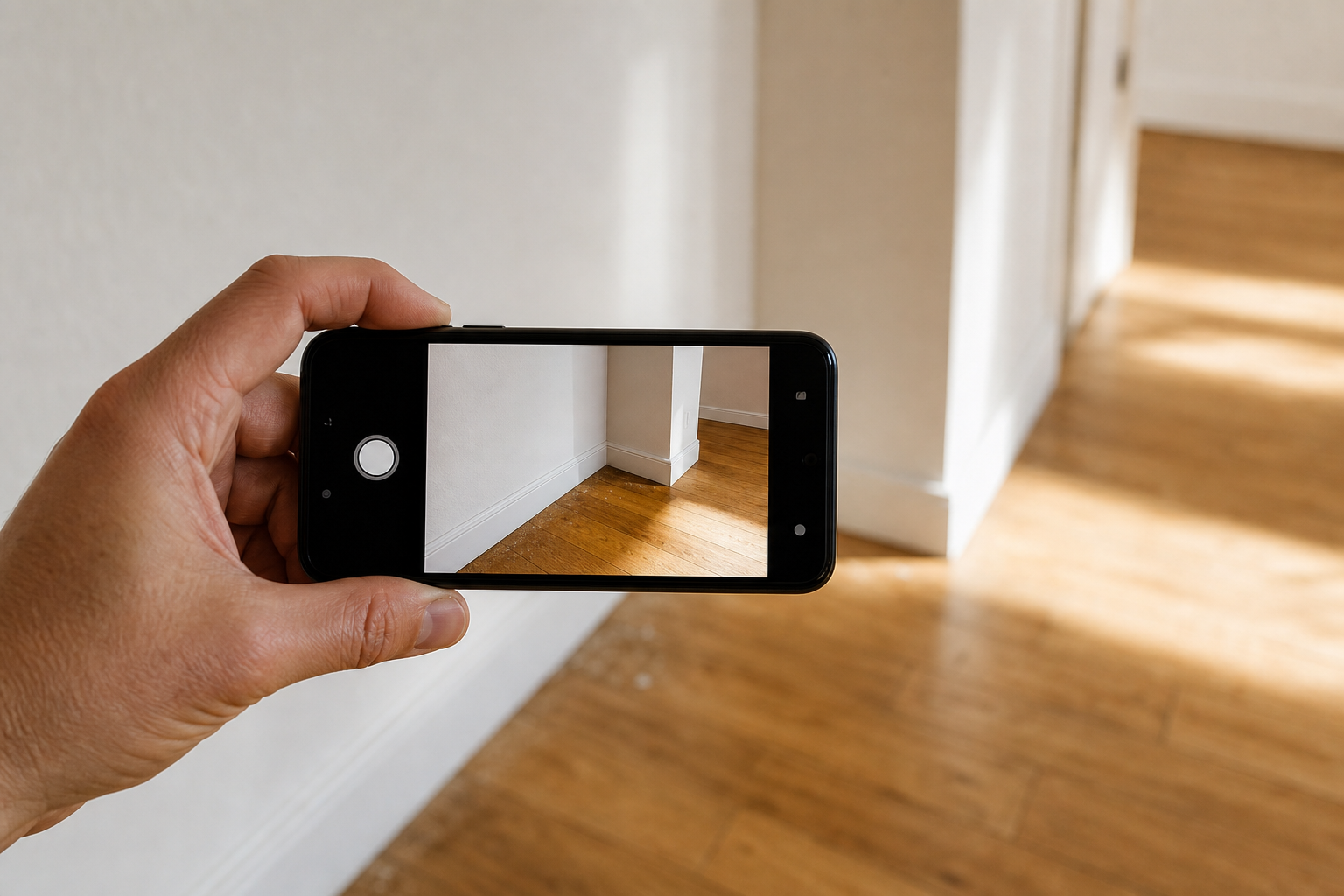
The single highest-leverage thing you can do is take dated photos at move-in and again at move-out. Time-stamped iPhone photos are admissible in conciliation court. Cover:
- Every wall (close enough to see condition)
- Floors, especially corners and high-traffic areas
- Appliances, inside and out
- Bathroom fixtures, grout, caulk
- Any pre-existing damage, with close-ups
At move-out, before you hand back the keys:
- Take a second round of photos matching the move-in set
- Provide your forwarding address in writing (text, email, or written letter, with a date you can prove). The 21-day clock does not start until you do this.
- Request a walk-through inspection. Under §504B.178, you don't have a strict statutory right to one, but most landlords will agree, and any agreed-upon damages get documented on the spot.
- Keep a copy of every text and email between you and the landlord about the unit's condition.
- Keep a copy of your lease. Yes, all of it.
How to write the demand letter

If 21 days pass and you don't see your deposit (or you got a partial return with bogus deductions), the next step is a written demand letter. This is required before you sue, and many landlords pay up at this stage rather than face court.
A demand letter should include:
- Your name and the rental address
- Your move-out date and the date you gave the forwarding address
- The amount of the original deposit
- Any partial amount returned
- The amount still owed
- A reference to Minnesota Statutes §504B.178
- A statement that you intend to file in conciliation court if it isn't resolved within a specific timeframe (10 to 14 days is reasonable)
- Your current forwarding address
Send it by certified mail with return receipt. Keep the receipt. That's your proof you sent it, when, and that they received it.
Filing in conciliation court
Conciliation court (Minnesota's version of small claims) handles disputes up to $15,000 as of 2026, which covers any residential deposit case. Filing costs around $75 in Hennepin and Ramsey counties.
You don't need a lawyer. You don't need to write a legal brief. You show up with:
- Your lease
- Your move-in and move-out photos
- Your written communications with the landlord
- A copy of your demand letter and the certified-mail receipt
- The itemized deduction statement the landlord sent (or proof they didn't send one)
If the landlord missed the 21-day deadline entirely, you should win on procedural grounds alone, plus get the $500 statutory penalty. If they kept the deposit in bad faith, ask for the full punitive damages equal to the deposit amount.
Conciliation court hearings are usually under 15 minutes. The judge is used to seeing these. Bring your evidence in order, speak plainly, let the documents do the work.
After it's over
Whether your deposit case ends with a check in your mailbox or a court judgment, the last step is the most important for the next renter: write down what happened. Leave a review of the landlord on RentWise. The deposit-handling category is one of the most-read fields when renters research a landlord, because everyone wants to know what to expect at the end of a lease.
Pay it forward. The next renter is going to look up this landlord before signing. Be the review that warns them, or the one that reassures them. Leave your honest review on RentWise. It takes 2 minutes.
Frequently asked questions
How long does a landlord have to return a security deposit in Minnesota?
21 days from the end of the tenancy and your forwarding address being provided in writing. 5 days if the unit was condemned by a public authority through no fault of the tenant. (Minnesota Statutes §504B.178)
Can a Minnesota landlord keep my deposit for normal wear and tear?
No. Minnesota law only allows deductions for unpaid rent, damage beyond normal wear and tear, and other tenant obligations under the lease. Routine fading, light scuffs, and minor wear from living in the unit are not deductible.
What happens if my landlord misses the 21-day deadline?
They owe you the full deposit back plus up to $500 in punitive damages. If they kept the deposit in bad faith (no legitimate reason), the punitive damages can equal the entire deposit amount.
Can I sue my landlord without a lawyer?
Yes. Minnesota's conciliation court handles security deposit disputes and does not require an attorney. Filing fees are around $75 and the dispute limit covers any residential deposit.
Does my landlord have to do a walk-through inspection?
Not under Minnesota law, but most will agree to one if you request it. It is worth asking, because it puts both sides on the record about the unit's condition at move-out.
What if my landlord never returns the deposit and won't respond?
Send a certified-mail demand letter referencing §504B.178 and giving a deadline. If they still don't respond, file in conciliation court. A judge can order the deposit returned plus statutory damages.