

Before you sign a year of your life away to a landlord in Minneapolis, you can find out almost everything that matters about them in about an hour. The information is public, free, and not hard to look up, most renters just do not know where to look. This guide walks through the checks in the order we would run them, with the resources we would use for each.
Already renting in Minneapolis? Leave a review of your current or past landlord on RentWise. It takes 2 minutes and helps the next renter avoid a bad situation, the same way another renter's honest review might save you from one.
In this guide
- 1. Look up the rental license
- 2. Check inspection and violation history
- 3. Run the owner through Hennepin County court records
- 4. Look up the LLC behind the lease
- 5. Read tenant reviews
- 6. Talk to a current or former tenant
- 7. Read the lease before you sign
- A practical 30-minute checklist
- Frequently asked questions
1. Look up the rental license
Every long-term rental unit in Minneapolis is required to have a rental license. The city publishes those licenses, and they are searchable.
How to check: Search the property's address at the Minneapolis Rental Licensing Lookup (linked from the city site). Confirm:
- The license is active, not expired, not pending, not revoked.
- The license tier is Tier 1 (best) rather than Tier 2 or Tier 3. Tier 3 means the city has flagged the property for repeat violations. That is a real signal, not a paperwork artifact.
- The licensed owner's name matches the name on the lease you're being asked to sign.
A property without an active license cannot legally be rented in Minneapolis. If the address does not come up, ask the landlord for the license number directly and walk if they can not produce one.

2. Check inspection and violation history
Minneapolis publishes inspection records and code violations against rental properties. This is where the real story usually lives.
How to check: The city's Property Information Search lets you pull violation history by address. Look for:
- Recent open violations include heat, hot water, mold, infestation, structural. These are the categories that determine whether the unit is actually livable in February.
- Repeat violations of the same type across years. A one-time furnace failure is a fact of life; the same furnace logged as failed three winters in a row tells you about the landlord, not the furnace.
- Long gaps between violation reported and violation closed. A landlord who fixes things in a week is a different animal from one who lets a citation sit for six months.
Tier 3 properties (above) almost always have a long violation tail. But Tier 1 properties can have telling violation history too, read it!
3. Run the owner through Hennepin County court records
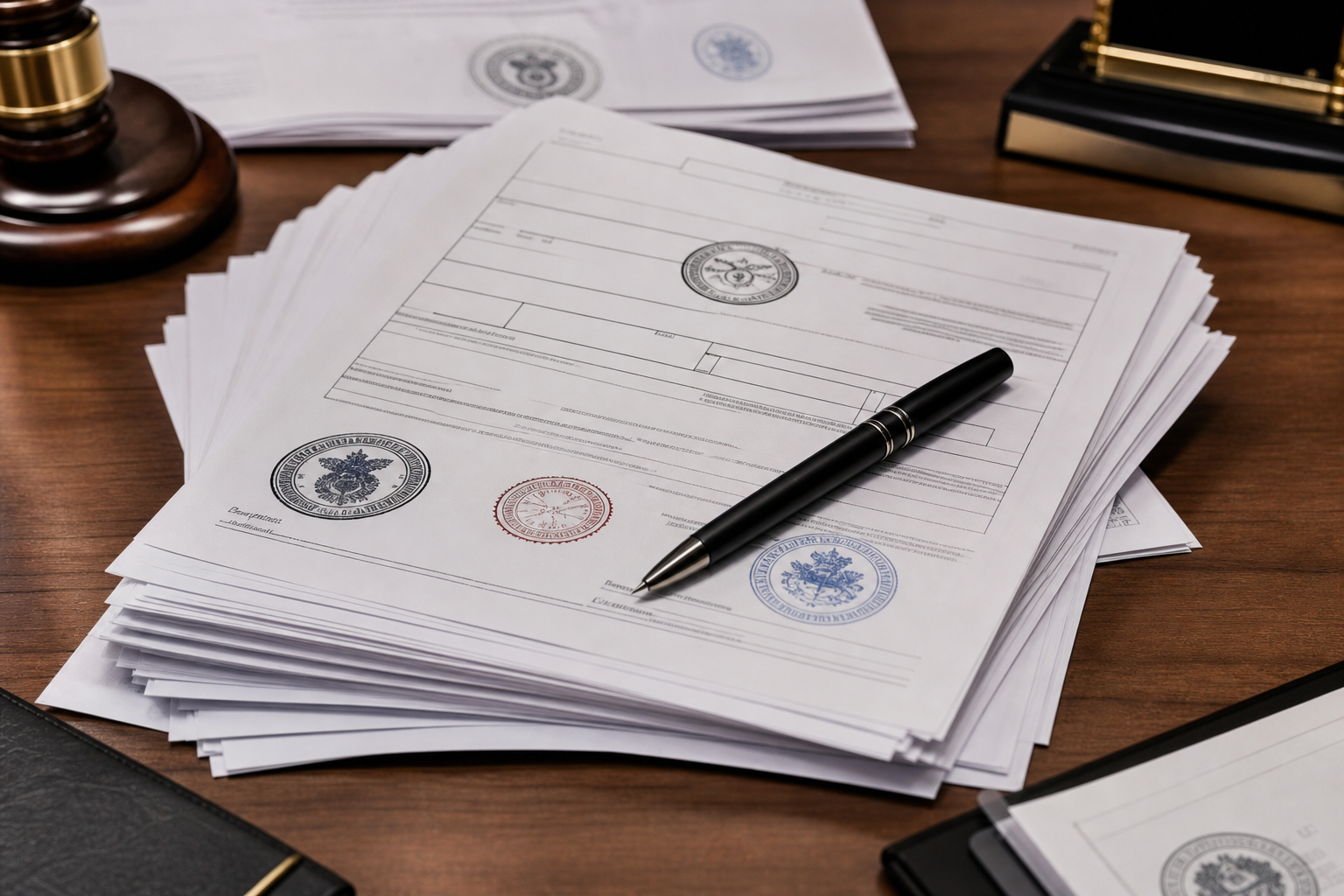
If a landlord has filed evictions, sued tenants for back rent, or been sued by tenants, it shows up in Hennepin County district court records. The state's Minnesota Court Records Online (MCRO) tool is free.
How to check: Search the owner's legal name (from the rental license) and the LLC or company name if the property is held under one. Both matter and many Minneapolis landlords hold properties under separate LLCs per building, so a clean LLC record does not mean a clean owner record.
What you're looking for:
- Eviction filing volume. A landlord with one or two evictions over many years is normal. A landlord with dozens of eviction filings, especially filings that get dismissed before judgment, is using the court as a collection tool, which is something you want to know.
- Habitability suits from tenants against the landlord. These are rare, and if they exist they tell you something specific.
- Pending cases that involve the unit you are about to rent.
Filing a lot of evictions is not by itself illegal or even disqualifying. But it is information.
4. Look up the LLC behind the lease
If the lease is signed by an LLC rather than a person, you can find out who is behind the LLC.
How to check: The Minnesota Secretary of State Business Search lets you look up any LLC registered in the state. You'll see:
- The registered agent and the named owners. This is who you are actually dealing with, regardless of what's printed on the lease.
- The LLC's filing history. An LLC formed three months ago to hold a single building is a different signal than a 20-year-old LLC that is managed dozens of properties.
- Other entities the same owner is associated with. Cross-reference these against the court records and inspection history in steps 2 and 3.
5. Read tenant reviews
Public records tell you what the city and courts have on file. They do not tell you what it's actually like to live with this landlord. For that, you need other renters.
How to check: Search the landlord (and the building) on RentWise. Read the recent reviews first, patterns matter more than any one bad day. Pay particular attention to:
- Responsiveness ratings: how fast does the landlord answer when something breaks?
- Maintenance and repairs: separate from responsiveness, do repairs actually happen?
- Fairness: how deposits, lease terms, and fee disputes are handled, especially at move-out.
RentWise reviews are anonymous by default, and the highest signal usually comes from verified-renter reviews (lease-doc uploaded) rather than one-off opinions.
If your prospective Minneapolis landlord has no reviews yet, that is its own information, you can still rent there, but you are the first one writing the public record.

6. Talk to a current or former tenant
If the building is large enough that you can find someone who lives there, do it. A two-minute conversation in the hallway after a showing tells you more than any database.
Questions worth asking:
- How fast does the landlord answer texts and emails?
- Have you had a maintenance issue, and what happened?
- Did anyone in the building have a deposit issue at move-out?
- Has rent gone up, and how much notice did you get?
You are not asking them to badmouth the landlord. You're asking what daily life is like. Most renters will tell you the truth.

7. Read the lease before you sign
This is obvious advice that almost nobody follows. Specifically watch for:
- Automatic renewal clauses and the notice period required to terminate.
- Joint and several liability if you have roommates.
- Deposit return timing: Minnesota law requires return within 21 days of move-out (or 5 days if the unit is condemned). If the lease says longer, that clause is unenforceable but signals what the landlord thinks they can get away with.
- Late fees: Minnesota caps these at 8% of overdue rent. Anything higher is unenforceable.
- "As-is" clauses that try to waive the landlord's obligation to maintain the property. These are also unenforceable but, again, signal intent.
If anything in the lease contradicts what the landlord told you verbally, raise it before signing. Verbal promises are nearly impossible to enforce.
A practical 30-minute checklist
If you're short on time before a second showing, run these in order:
- Open the city rental license lookup. Confirm active, Tier 1, owner name. (5 min)
- Open the property info search. Scroll the violation history. (5 min)
- Open MCRO. Search the owner's name and the LLC. (10 min)
- Open RentWise. Search the landlord. Read the recent reviews. (10 min)
If all four are clean, you're in good shape. If any of them shows a pattern, slow down and ask questions before you sign.
Why this works
Minneapolis is unusual among American cities in how much landlord information it publishes. The city licenses every rental, inspects regularly, and makes the results public. Hennepin County's court system is searchable. The state lists LLC owners. Combined with tenant reviews on RentWise, a Minneapolis renter has more leverage than a renter in most cities, if they know where to look.
That is the whole reason RentWise exists. Renters in Minneapolis are not blind; they have just been searching in the wrong places. Now you know where to look!
Before your next Minneapolis lease, search the landlord on RentWise, run the four checks above, and sign with your eyes open.
Help the next renter. Leave a review of a landlord you've rented from. The public records covered above tell renters what the city and courts have on file. Your review tells them what life is actually like in that unit. Both matter. It takes 2 minutes.
Frequently asked questions
How do I find out if a rental property in Minneapolis is licensed?
Search the property address at the Minneapolis Rental Licensing Lookup on minneapolismn.gov. Confirm the license is active and rated Tier 1. A property without an active rental license cannot legally be rented in Minneapolis.
What is a Tier 3 rental property in Minneapolis?
Minneapolis licenses rental properties on three tiers based on compliance history. Tier 1 is the cleanest record; Tier 3 means the city has flagged the property for repeat code violations and is actively managing it. Tier 3 is a real warning sign, not a paperwork issue.
How do I look up eviction history for a Minneapolis landlord?
Search the landlord's legal name and any LLC they use on Minnesota Court Records Online (MCRO) at mncourts.gov. You can see eviction filings, outcomes, and whether the landlord has ever been sued by tenants.
How long does a landlord have to return my security deposit in Minnesota?
Minnesota law requires landlords to return your security deposit within 21 days of move-out, or within 5 days if the unit is condemned. Any withholdings must be itemized in writing. Lease clauses claiming a longer period are unenforceable.
What is the maximum late fee a landlord can charge in Minnesota?
Minnesota law caps late fees at 8% of the overdue rent. Any lease clause charging a higher amount is unenforceable under state law.
Where can I read reviews of Minneapolis landlords?
RentWise lets you search Minneapolis landlords by name or address and read reviews from previous tenants. Reviews are anonymous by default; verified-renter reviews carry a verification badge showing the reviewer uploaded a lease document.