
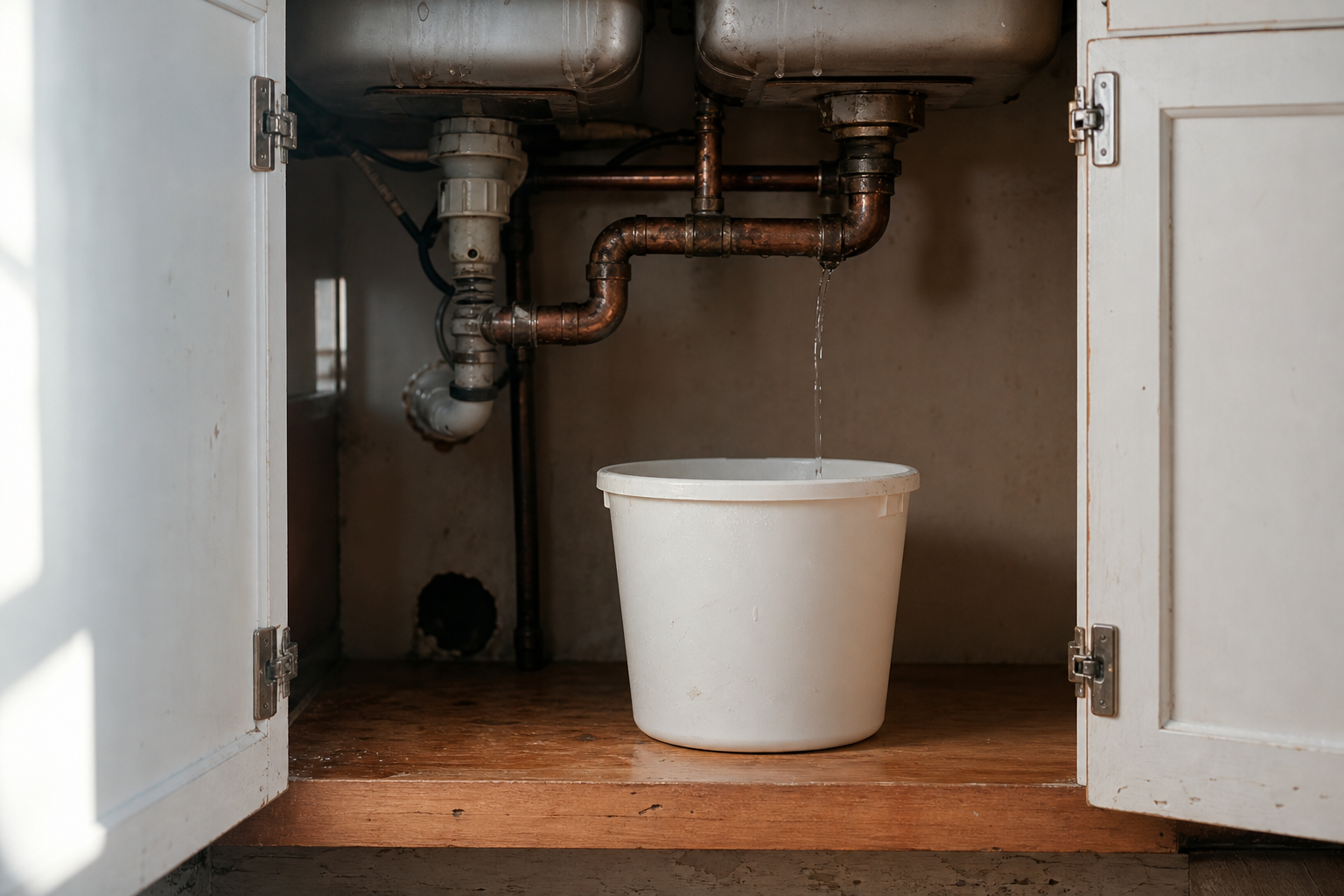
In Minnesota, a landlord is legally required to keep your rental in a habitable, livable condition. That's not a nice-to-have. It's a covenant baked into every Minnesota lease, written or verbal, under Minnesota Statutes §504B.161, and you cannot sign it away even if the lease tries.
That means when something important breaks (no heat, no hot water, mold, broken locks, pest infestation, water intrusion), and the landlord ignores your request, the law gives you a ladder of escalations. This guide walks through them in order, from "polite request" to "stop paying rent into a court escrow account," because escalating before you've built a paper trail almost always weakens your position.
Renting in Minnesota? Other renters in your city are about to sign a lease and they don't know what to expect. Leave a review of your landlord on RentWise, especially how they handle repair requests. Take 2 minutes to help them.
In this guide
- What your landlord legally owes you in Minnesota
- Step 1: Document everything before you escalate
- Step 2: Request the repair in writing
- Step 3: Contact the city inspector
- Step 4: File a rent escrow action
- Step 5: Terminate the lease without penalty
- What you cannot legally do (and why it matters)
- Frequently asked questions
What your landlord legally owes you in Minnesota
Minnesota Statutes §504B.161 says that in every residential lease, the landlord covenants:
- To keep the premises fit for the use intended
- To keep the premises in reasonable repair
- To make the premises comply with applicable health and safety laws
- To maintain the premises in compliance with the energy efficiency standards required by law
A lease clause that tries to waive any of this is unenforceable. Translated to practical terms, your landlord must provide and maintain:
- Working heat (60°F minimum in habitable rooms during heating season, per most city codes)
- Working hot water
- Working electrical and plumbing
- A roof, windows, and doors that keep weather out
- Locks that lock
- Freedom from significant pest infestation
- No mold or moisture problems that affect habitability
- Smoke detectors and CO detectors per code
What this doesn't cover: cosmetic issues, slow drains that still work, scuffed paint, normal aging of appliances. The standard is "habitable," not "perfect."
Step 1: Document everything before you escalate
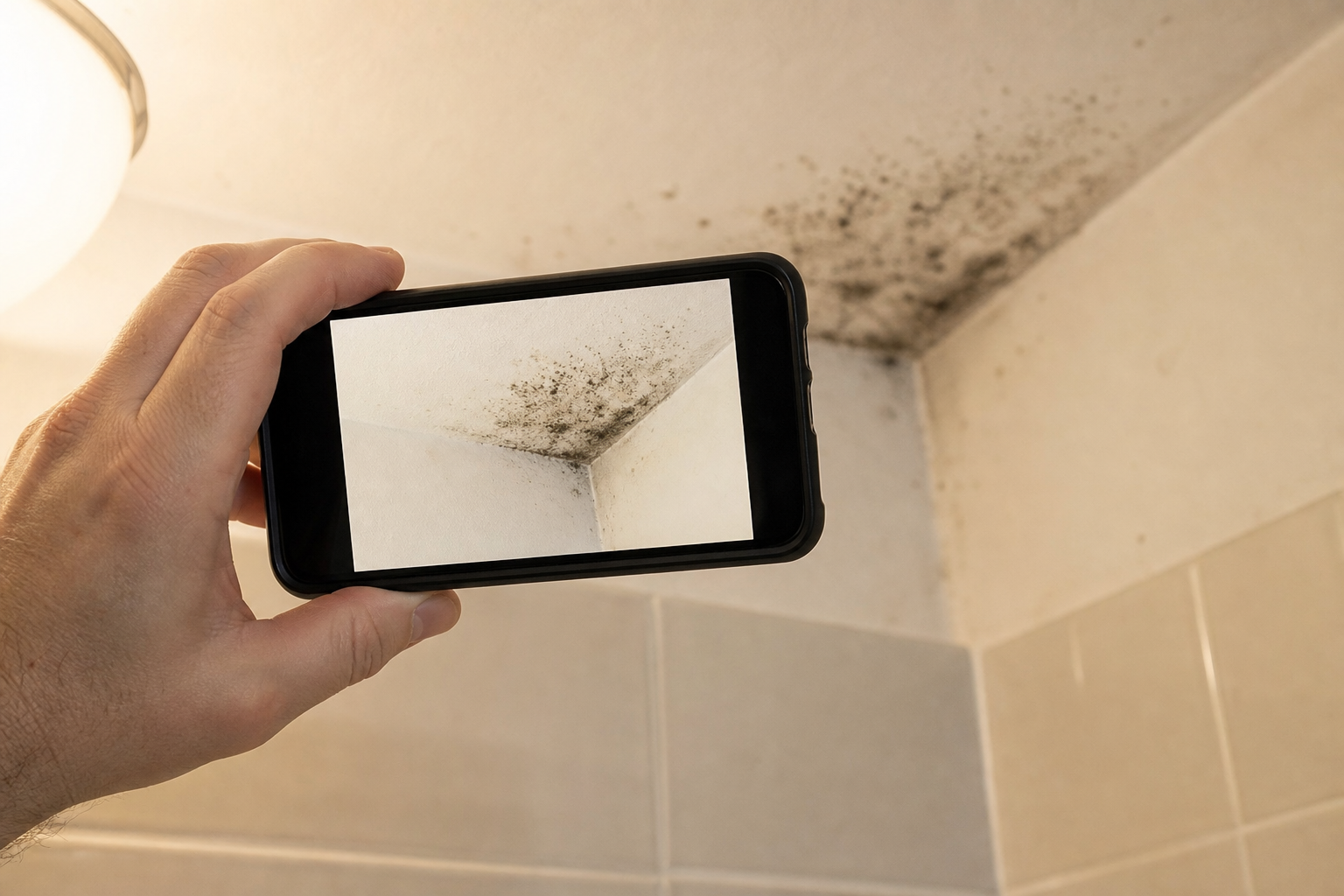
Before you send any escalation, build the paper trail. The single biggest reason habitability cases fall apart in court is that the tenant escalated without proof.
- Photograph the problem, with date and time visible. Multiple angles. Include something for scale.
- Video the problem if it involves something audible or active (running water leak, alarm not working, etc.)
- Note the date you first noticed the issue.
- Note any health effects if applicable (cold symptoms during a no-heat period, allergic reactions during mold exposure).
- Save every communication with the landlord about the unit.
This evidence is what conciliation court, rent escrow court, and city inspectors all rely on. Five minutes of documentation now can save weeks of dispute later.
Step 2: Request the repair in writing
Even if you've already texted or called, send the request again in writing. Email is fine. Certified mail is stronger. The request should include:
- The address and unit number
- The specific problem and where it is
- The date you first noticed it
- A specific request to repair, with a reasonable deadline (5 to 14 days depending on severity)
- Your contact information
- A note that you're keeping a record
You don't need to threaten or quote statutes at this stage. The goal is a calm, clear written record that the landlord knew about the problem and had a chance to fix it. If they fix it within a reasonable time, great, end of process.
If they don't respond or don't fix it, you now have the documentation you need for steps 3, 4, or 5.
Step 3: Contact the city inspector
Most Minnesota cities (Minneapolis, Saint Paul, Duluth, Rochester, and others) have housing or code enforcement inspectors who will respond to tenant complaints. This is often the fastest way to get repairs done, because a city order to fix is harder to ignore than a tenant request.
- Minneapolis: Housing Inspection Services, request an inspection through the Minneapolis 311 service or call 311.
- Saint Paul: Department of Safety and Inspections, 651-266-8989 or stpaul.gov.
- Outside Twin Cities: check your city's housing or code enforcement office. Many small cities outsource this to the county.
When the inspector comes:
- Walk them through the issue
- Show them your photos and timeline
- Ask for a copy of the inspection report
A failed inspection can result in a city order to fix within a specified time, fines against the landlord, and (in Minneapolis) tier downgrades on the property's rental license. These create real consequences that change landlord behavior.
Step 4: File a rent escrow action
This is the Minnesota-specific power move that most tenants don't know about. Under §504B.385 (rent escrow) and §504B.395 (tenant remedies), you can:
- Send the landlord a 14-day notice demanding repairs
- If repairs are not made within 14 days, file a rent escrow action in district court (Hennepin, Ramsey, etc.)
- Pay your rent into the court instead of to the landlord
- Continue paying into escrow until the repairs are made and a judge releases the funds
This is powerful because it makes the landlord choose: make the repairs to get the rent released, or watch their cash flow stop while the unit sits in disrepair. Filing fees are modest (around $135 in Hennepin County as of 2026, sometimes waivable based on income).
A few important details:
- You must be current on rent when you file (the escrow is your rent, paid into court, not unpaid rent)
- You must have given proper notice of the defects
- The defects must be material (real habitability issues, not cosmetic)
- The court can also order the landlord to make the repairs, award you rent abatement (reduction) for the period the unit was uninhabitable, or both
A tenant attorney can help you file. HOME Line (612-728-5767) walks tenants through rent escrow cases for free.
Step 5: Terminate the lease without penalty
If the unit becomes truly uninhabitable and the landlord won't fix it, you may be able to terminate the lease without penalty under Minnesota law. This is sometimes called "constructive eviction" and requires:
- A material breach of habitability (no heat in winter, raw sewage, unsafe structural problems, etc.)
- Notice to the landlord and a reasonable time to fix
- The unit must be truly uninhabitable, not just inconvenient
Constructive eviction is a high bar and usually requires legal advice before you act. Moving out and stopping rent payments without going through the proper process can result in being sued for the remainder of the lease. Get a tenant attorney's read before you take this route.
What you cannot legally do (and why it matters)
Some things feel like fair responses to a bad landlord but will hurt your case:
- Stop paying rent without filing a rent escrow action. "Withholding rent" without going through the court process is just nonpayment of rent under the law and can get you evicted. Use the rent escrow procedure instead.
- Do major repairs yourself and deduct from rent, unless your lease specifically authorizes it. Minnesota does not have a statutory "repair and deduct" remedy for most repairs. Doing it can lead to disputes over the deduction.
- Move out without notice. This can leave you on the hook for the remaining lease term.
- Damage the unit out of frustration. Even if the landlord is in the wrong, damages caused by you reset who's in the wrong.
The legal framework rewards documentation and process. Skipping steps almost always backfires.
After it's resolved
However it ends, the next renter is going to look up this landlord before they sign. Write down what happened.
You went through this. The next renter doesn't have to walk in blind. Leave a review of your landlord on RentWise. Note how they handled (or didn't handle) repairs. It's exactly what the next person needs to know.
Frequently asked questions
What is a landlord legally required to fix in Minnesota?
Minnesota Statutes §504B.161 requires landlords to keep the premises fit for use, in reasonable repair, and in compliance with health and safety laws. This covers heat, hot water, plumbing, electrical, weatherproofing, locks, freedom from major pest infestation, and mold issues that affect habitability.
Can I stop paying rent until my Minnesota landlord makes repairs?
Not directly. Stopping rent payments without using the rent escrow procedure under §504B.385 can result in eviction for nonpayment. The correct path is to give 14-day notice, file a rent escrow action, and pay your rent into the court instead of the landlord.
How long does my landlord have to fix a problem in Minnesota?
The statute doesn't specify exact timelines for most issues, but the standard is "reasonable time" based on severity. Emergency issues (no heat in winter, sewage, water intrusion) should be addressed within hours to a few days. Non-emergency issues are generally expected within 14 to 30 days.
Can I call the city to inspect my rental?
Yes. Minneapolis, Saint Paul, and most other Minnesota cities have housing or code enforcement inspectors who respond to tenant complaints. Failed inspections can trigger city orders to fix and fines against the landlord.
Can I break my lease if my Minnesota landlord won't make repairs?
Possibly, under constructive eviction. This requires the unit to be truly uninhabitable, proper notice to the landlord, and a reasonable time to fix. It's a high legal bar and usually requires consulting a tenant attorney before acting.
Can my landlord retaliate against me for requesting repairs?
No. Minnesota Statutes §504B.285 prohibits retaliatory eviction or rent increases after a tenant complains in good faith about habitability. If you face retaliation within 90 days of a complaint, the law presumes the action was retaliatory.
Where can I get free legal help in Minnesota for a habitability issue?
HOME Line offers a free tenant hotline at 612-728-5767. Mid-Minnesota Legal Aid (mylegalaid.org) provides free representation for income-qualified tenants in habitability and rent escrow cases.