

Most rent-history pieces about American cities pick a year, pick a number, and run a scary chart. We wanted to do this one carefully with sources you can click, in two different units (nominal and inflation-adjusted), and with the caveat that what the median tells you and what your next move costs are not the same thing.
Rented in Saint Paul? Your experience matters more than any chart. Leave a review of your landlord so the next renter has real information about who they're signing with, not just what the rent costs.
What follows is the most authoritative city-level Saint Paul rent series we could assemble from public data: the U.S. Census Bureau's American Community Survey table B25064 (Median Gross Rent), the 2000 Decennial Census Summary File 3 table H063 (the same measure, last released as a long-form census item before the ACS replaced it), and the U.S. Bureau of Labor Statistics' CPI-U All Urban Consumers for the inflation adjustment.
A note up front: city-level Saint Paul rent for the pre-2000 era lived in the 1990 Decennial long-form summary tape, which is not queryable through the modern Census Data API. Rather than guess at a 1985 number, we limited the series to data we could verify line-by-line. That makes this a 23-year picture, not a 40-year one. The conclusions don't change much; the integrity does.
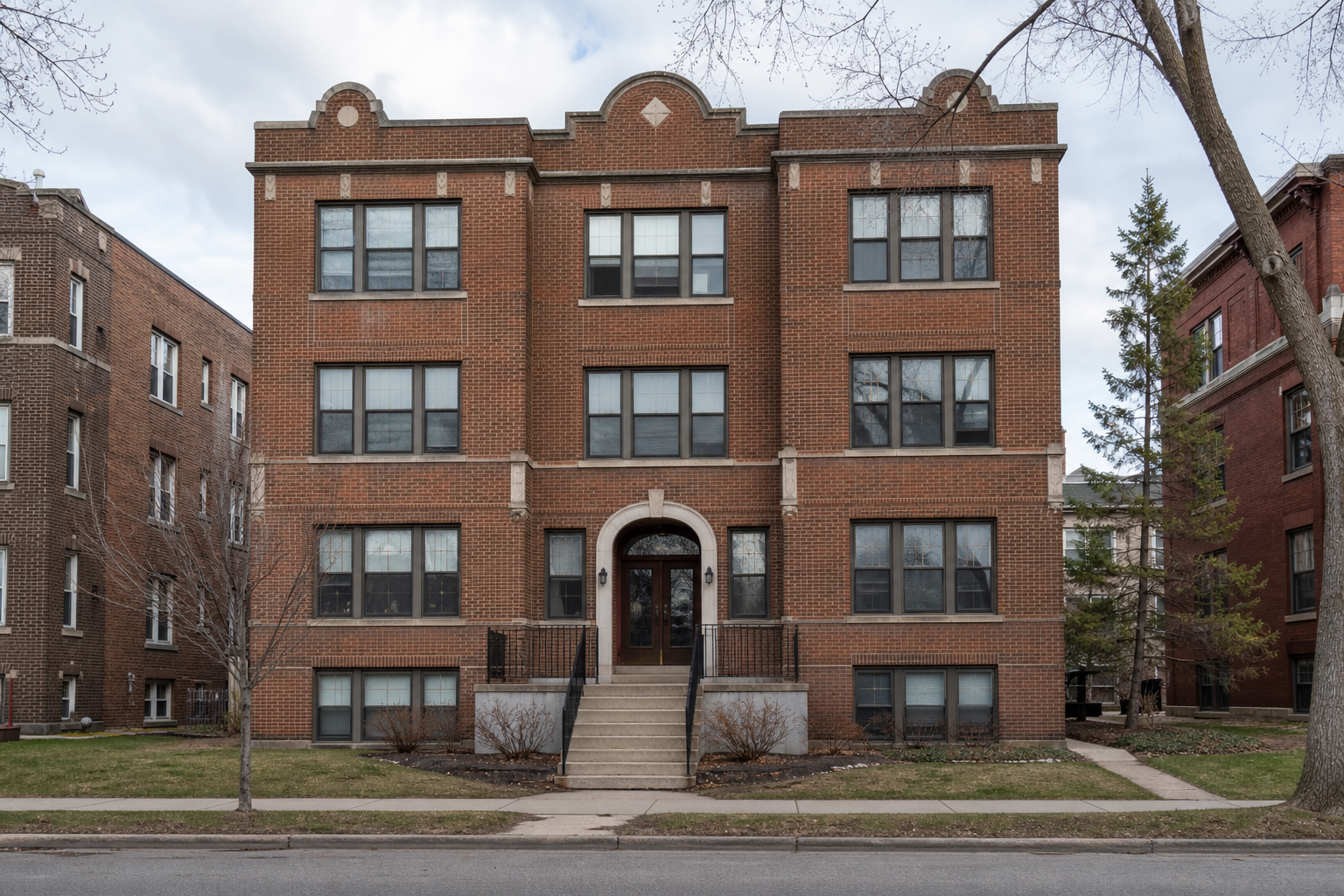
Saint Paul median gross rent, 2000-2023
Median gross rent is the rent number the Census uses: contract rent plus the cost of utilities and fuels, when the tenant pays them separately. It is the closest single number to what an apartment in this city actually costs each month.
| Year | Source | Nominal monthly rent | In 2024 dollars |
|---|---|---|---|
| 2000 | Decennial Census, table H063 | $565 | $1,029 |
| 2010 | ACS 5-year, B25064 | $756 | $1,088 |
| 2015 | ACS 5-year, B25064 | $838 | $1,109 |
| 2019 | ACS 5-year, B25064 | $968 | $1,188 |
| 2022 | ACS 5-year, B25064 | $1,174 | $1,258 |
| 2023 | ACS 5-year, B25064 | $1,248 | $1,285 |
In nominal dollars, the median Saint Paul rent rose 121% between 2000 and 2023. That is the headline most people quote, and it is true.
In inflation-adjusted dollars, it rose 25% over the same span. That is also true. The difference is what you would expect after two decades of compounding general-price inflation: roughly two-thirds of the nominal jump is "the dollar bought less" and one-third is "rent really did go up faster than everything else."
The inflation adjustment uses the BLS CPI-U All Urban Consumers (national, not seasonally adjusted), with annual averages of 172.2 in 2000 and 313.7 in 2024, verifiable via the BLS Public Data API. We used the national index rather than the Minneapolis/St. Paul local CPI because the local series was not reachable through the same public endpoint.
Rent as a share of household income
A more useful question than "did rent go up?" is "did rent go up faster than what people earn?" That ratio, sometimes called rent burden, is the share of a household's income that rent eats up.
| Year | Median rent (annual) | Median household income | Rent share |
|---|---|---|---|
| 2000 | $6,780 | $38,774 | 17.5% |
| 2010 | $9,072 | $45,439 | 20.0% |
| 2015 | $10,056 | $48,757 | 20.6% |
| 2019 | $11,616 | $57,876 | 20.1% |
| 2023 | $14,976 | $73,055 | 20.5% |
There is a step-change between 2000 and 2010, about three percentage points, and the ratio has been remarkably steady since: roughly 20%-21% of the median household's income going to rent, year after year, recession and pandemic and recovery alike. Saint Paul's rent has roughly tracked Saint Paul's incomes, which is not what you would guess from the nominal-dollar headline.
That said, 20% of the median is one number. The renters paying close attention are the ones in the lower half of the income distribution, where the same nominal rent eats a much larger share, a structural problem this post can not fix and is not trying to.
Saint Paul vs. Minneapolis
The two halves of the metro track each other tightly. Median gross rent for Minneapolis was $575 in 2000 (per the same Decennial Census H063 table), about $10 more than Saint Paul. By the 2023 ACS 5-year for Minneapolis, Minneapolis sat at $1,329 to Saint Paul's $1,248, a $81 gap, about 6.5%. The two cities started within $10 of each other and ended within $81. Whatever you pay attention to in Twin Cities housing policy, neither city's median rent has dramatically diverged from the other's. A companion post will dig into the Minneapolis side specifically.
What the median tells you, and what it does not
There are two important things the median number does not tell a renter who is looking at a unit this month.
The first is that the median includes everyone, long-term tenants in older units with multi-year leases, market-rate movers in 2024, subsidized units, and units that have not been re-priced in a while. The market rate for a unit that is vacant and listed today is typically higher than the median, sometimes substantially. Listing-site asking-rent data (Apartment List and Zumper publish monthly indices) tells you about what new movers pay. The Census median tells you about the population of all rental units, a slower, more conservative number.
The second is that the median says nothing about who you would actually be renting from. Two units at the same monthly rent can be wildly different rentals, one with a landlord who returns texts the same day and ships a contractor when something breaks, and one where the deposit comes back at the end with a list of charges you have never heard of. A $1,300 unit with a great landlord is a different product from a $1,300 unit with a bad one. The price tag on Zillow does not tell you which is which.

Where RentWise comes in
If you have read this far, you are the kind of renter who wants the data before signing. We built RentWise for exactly that mindset, except scoped to the part of the rental decision that the Census Bureau definitely won't help with: which landlord is on the other side of the lease.
You can search for a Saint Paul landlord by name or by area and pull up every review left for them. You can leave a review on a landlord you have rented from. The reviews are anonymous by default; verified-renter status (lease-doc upload) is optional and shows on your reviews when you have it.
You would not sign a $14,976/year contract for a car without reading reviews of it. The Census numbers are why renters care; the reviews are how renters can do anything about it.
Data sources used in this post
- U.S. Census Bureau, American Community Survey 5-year estimates, table B25064 (Median Gross Rent), table B19013 (Median Household Income); years 2010, 2015, 2019, 2022, 2023, queried via the Census Data API.
- U.S. Census Bureau, 2000 Decennial Census, Summary File 3, tables H063 (Median Gross Rent) and P053 (Median Household Income).
- U.S. Bureau of Labor Statistics, CPI-U All Urban Consumers (CUUR0000SA0), annual averages 2000 (172.2), 2010 (218.1), 2015 (237.0), 2019 (255.7), 2023 (304.7), 2024 (313.7), queried via the BLS Public Data API.
If you spot a number that looks off, send us feedback through the widget in the corner of the site and we will fix it.
Pay it forward. The rent data above is public. What's not public is what your landlord is actually like to deal with at month 9 when something breaks. Leave a review of a Saint Paul landlord you've rented from. It takes 2 minutes and helps the next renter sign with their eyes open.