
You move out. You clean, return the keys, and wait for your deposit. Then the deductions show up:
- Carpet replacement: $350
- Wall repair: $175
- Cleaning: $200
Some of that might be fair. Some of it might be the ordinary aging of an apartment you lived in for three years.
The difference matters because in most states a landlord can't use your security deposit to pay for normal wear and tear. Normal wear and tear is the deterioration that comes from living in a home the way it's meant to be lived in. Damage comes from accidents, misuse, neglect, or abuse.
Deposit rules vary by state and sometimes by city. Whether a specific charge is allowed depends on your state's law, your lease, the age and condition of the item, and the evidence each side has. This guide isn't legal advice. It's a practical guide to the line between wear and damage, with 30 real examples.
Moved out recently? Review your landlord on RentWise and tell the next renter how your deposit was handled. It takes about two minutes.
In this guide
- The quick answer
- All 30 examples at a glance
- Walls and paint
- Carpet and flooring
- Doors, windows, and blinds
- Kitchen and appliances
- Bathroom
- Cleaning and missing items
- Age matters: you shouldn't pay for a brand-new carpet
- What your state's law says
- How to prove the damage was already there
- What to do if your landlord calls wear and tear damage
- Move-out checklist
- Frequently asked questions
The quick answer
Usually normal wear and tear:
- Faded paint
- Minor scuffs on walls
- Small nail holes
- Carpet worn along walking paths
- Minor scratches
- Appliances wearing out with age
- Faded curtains or blinds
More likely damage:
- Large holes in walls
- Broken doors
- Burns, large stains, or holes in carpet
- Pet urine damage
- Broken windows
- Missing fixtures
- Alterations you weren't allowed to make
The question to ask about any charge: did this happen because someone lived in the home normally, or because of something beyond ordinary use?
Texas spells this out in its statute. It defines normal wear and tear as "deterioration that results from the intended use of a dwelling." It doesn't cover damage from "negligence, carelessness, accident, or abuse" by you, your household, or your guests (Tex. Prop. Code § 92.001). Most states use similar ideas even when they don't define the term.
All 30 examples at a glance
Treat these as general tendencies, not rulings. Each example is explained below.
| # | Example | More likely |
|---|---|---|
| 1 | Faded paint | Wear and tear |
| 2 | Minor wall scuffs | Wear and tear |
| 3 | Small nail holes | Depends, often wear and tear |
| 4 | Large holes in drywall | Damage |
| 5 | Crayon, marker, or heavy stains on walls | Damage |
| 6 | Unapproved paint colors | Depends, often damage |
| 7 | Carpet worn along walking paths | Wear and tear |
| 8 | Faded carpet | Wear and tear |
| 9 | Large permanent carpet stains | Damage |
| 10 | Carpet burns | Damage |
| 11 | Pet urine damage | Damage |
| 12 | Minor scratches on hardwood | Wear and tear |
| 13 | Deep gouges in hardwood | Damage |
| 14 | Loose door handle | Wear and tear |
| 15 | Broken interior door | Damage |
| 16 | Broken window | Depends on the cause |
| 17 | Faded or dusty blinds | Wear and tear |
| 18 | Broken or missing blind slats | Depends, often damage |
| 19 | Aging refrigerator | Wear and tear |
| 20 | Broken refrigerator shelf | Depends, often damage |
| 21 | Lightly scratched countertops | Wear and tear |
| 22 | Burned or cut countertop | Damage |
| 23 | Heavy grease buildup | Depends on how dirty |
| 24 | Broken cabinet door | Depends on age and cause |
| 25 | Minor grout discoloration | Wear and tear |
| 26 | Ordinary mineral buildup | Wear and tear |
| 27 | Broken toilet seat | Depends on age and cause |
| 28 | Mold from a leak | Depends on the cause |
| 29 | Move-out cleaning | Depends on how clean you left it |
| 30 | Missing keys, remotes, or fobs | Often chargeable |
Walls and paint
1. Faded paint: wear and tear
Paint fades, yellows, and cracks with time and sunlight. HUD lists "fading, peeling, or cracked paint" as normal wear and tear in its guide for HUD-assisted housing.
2. Minor wall scuffs: wear and tear
Furniture rubs walls. Hands touch light switches. California's official tenant guide says minor marks or nicks in walls are generally the landlord's responsibility, giving the example of worn paint from a sofa against the wall.
3. Small nail holes: it depends
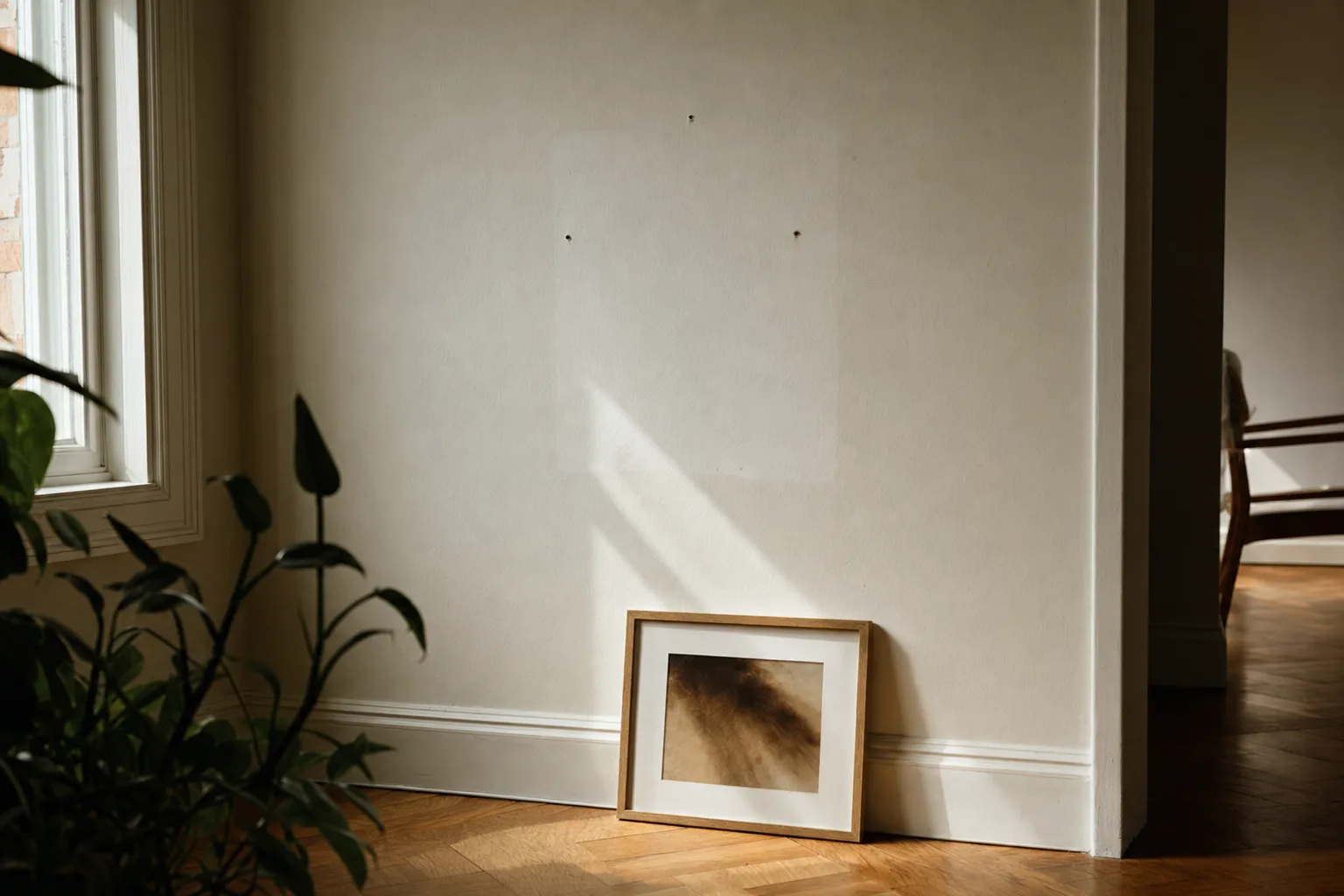
Most renters hang pictures, and a few small nail holes are often treated as normal wear and tear. HUD's list includes "nail holes, pin holes, or cracks in wall" as wear and tear.
It gets less clear as the number and size of holes grow. California's guide says a large number of holes that require patching and repainting could justify a charge. Check your lease too. Some leases restrict how you hang things.
4. Large holes in drywall: damage
A doorknob through the wall, a fist-sized hole, or a TV mount ripped out isn't ordinary aging. HUD lists "gaping holes in walls or plaster" as tenant damage.
5. Crayon, marker, or heavy stains on walls: damage
Drawings and markings that need more than a wipe usually count as damage. HUD lists "drawings, crayon markings" as tenant damage.
6. Unapproved paint colors: often damage
If you painted without permission, or painted a dark color that takes several coats to cover, your landlord may be able to charge for repainting. If your landlord approved the color in writing, keep that approval. The lease and any written agreement matter a lot here.
Carpet and flooring
7. Carpet worn along walking paths: wear and tear
Carpet wears where people walk. The Texas Attorney General's office puts it plainly: if the carpet "simply becomes more worn because you and your guests walked on it for a year, the landlord may not charge you for a new carpet" (Texas AG renters' rights).
8. Faded carpet: wear and tear
Sunlight fades carpet. So does age. HUD lists "carpet faded or worn thin from walking" as wear and tear.
9. Large permanent carpet stains: damage
Moderate dirt and light spotting are generally wear and tear. California's guide distinguishes that from "large rips or indelible stains," which can justify a charge for repair or replacement.
10. Carpet burns: damage
Cigarette burns, iron burns, and candle burns are damage. HUD lists "holes, stains, or burns in carpet" as tenant damage.
11. Pet urine damage: damage
Pet urine that soaks into carpet or stains wood floors usually goes beyond ordinary use. The Idaho Attorney General's landlord-tenant manual lists pet damage to carpets and curtains as the tenant's responsibility.
12. Minor scratches on hardwood: wear and tear
Light surface scratches come with walking, chairs, and daily life. The Idaho AG manual lists minor marks or nicks in floors as ordinary wear and tear. HUD lists floors that need a new coat of varnish the same way.
13. Deep gouges in hardwood: damage
Gouges from dragging furniture or dropping something heavy are more likely damage. HUD lists "chipped or gouged wood floors" as tenant damage.
Doors, windows, and blinds
14. Loose door handle: wear and tear
Handles and hinges loosen with use. That's maintenance.
15. Broken interior door: damage
A door that's cracked, kicked in, or torn off its hinges is damage. HUD lists "doors ripped off hinges."
16. Broken window: depends on the cause
A window you broke is damage. A window that cracked because the building settled is not. HUD lists a "cracked window pane from faulty foundation or building settling" as wear and tear. If a window broke from a storm or a break-in, report it to the landlord in writing when it happens.
17. Faded or dusty blinds: wear and tear
Blinds fade and collect dust. HUD and the Idaho AG both treat dirty or faded shades and moderately dirty blinds as wear and tear. HUD's sample life-expectancy chart gives blinds about three years.
18. Broken or missing blind slats: often damage
Missing or broken blinds are usually treated as damage. But age matters. Old, brittle blinds that crack during normal use aren't the same as blinds someone yanked down. If yours were already brittle at move-in, photograph them.
Kitchen and appliances
19. Aging refrigerator: wear and tear
Appliances wear out. If the refrigerator dies because it's 15 years old, that's generally deterioration from normal use, not damage you caused. Texas, for example, defines normal wear and tear as "deterioration that results from the intended use of a dwelling."
20. Broken refrigerator shelf: often damage
A cracked or missing shelf is more likely damage. If a shelf broke under normal use in an old fridge, report it during your tenancy, not at move-out.
21. Lightly scratched countertops: wear and tear
Light scratches and worn finish come with cooking. The cut marks from skipping the cutting board are another story.
22. Burned or cut countertop: damage
Burns from a hot pan and deep knife cuts are more likely damage.
23. Heavy grease buildup: depends on how dirty
Normal cooking leaves some residue. A stove or range hood caked in grease is a cleaning problem. California's guide says a landlord can charge reasonable costs for cleaning that's needed, such as cleaning the oven, but generally can't charge for the cumulative effects of wear and tear.
24. Broken cabinet door: depends on age and cause
A 20-year-old hinge that gives out isn't the same as a door pulled off its frame. The Idaho AG manual lists warped cabinet doors as wear and tear.
Bathroom
25. Minor grout discoloration: wear and tear
Grout darkens and loosens over time. HUD lists "loose grouting and bathroom tiles" as wear and tear. Missing or cracked tiles are a different matter.
26. Ordinary mineral buildup: wear and tear
Hard water leaves deposits. The Idaho AG manual lists mineral deposits in toilets and stains on old porcelain as ordinary wear and tear. A tub or toilet coated in grime is a cleaning issue, and the same manual puts that on the tenant.
27. Broken toilet seat: depends on age and cause
Seats crack and hinges wear out. A seat that broke from ordinary use on an old toilet is closer to wear and tear. One that broke because someone stood on it is damage.
28. Mold from a leak: depends on the cause
The cause matters most here. Deposit laws let a landlord charge for damage beyond normal wear and tear, and many tie that to damage you, your household, or your guests caused. A leaking pipe or roof that you reported promptly is usually the landlord's repair. If the landlord does not fix it, here is what Minnesota renters can do about a landlord who won't make repairs. Mold can still become your cost if it grew because of something you did or didn't do, like an overflowing tub you didn't clean up or a leak you saw and never reported. Your lease may also require you to report leaks and keep the unit ventilated. The Texas AG's example: "If your water bed leaks and the carpet becomes mildewed as a result, you may be charged."
Report leaks and moisture problems in writing as soon as you see them. That record matters if mold shows up later.
Cleaning and missing items
29. Move-out cleaning: depends on how clean you left it
This is one of the most disputed charges. The rules vary by state, but the idea is often similar: your landlord can charge to get the unit back to the cleanliness it had when you moved in, not to make it cleaner than that.
- California limits cleaning charges to what's "necessary to return the unit to the same level of cleanliness it was in at the inception of the tenancy," and limits charges for professional carpet or other cleaning to when it's reasonably necessary (Cal. Civ. Code § 1950.5).
- Washington bars withholding for carpet cleaning unless the landlord documents wear beyond ordinary use (RCW 59.18.280).
- Colorado now treats uncleanliness from ordinary use as normal wear and tear, unless the unit is substantially less clean than at move-in (Colorado Division of Real Estate summary of HB25-1249).
The practical answer: clean thoroughly, take photos when you're done, and keep them.
30. Missing keys, remotes, or fobs: often chargeable
If you don't return keys, garage remotes, building fobs, or furniture the landlord provided, expect a charge. The amount should reflect the actual cost, and some states have specific rules. Texas, for example, requires the landlord to rekey within seven days after each tenant moves out, at the landlord's expense. The landlord can deduct rekeying from your deposit only if you moved out in breach of a written lease that has an underlined or bold clause allowing it. Return everything, and get proof that you did.
Age matters: you shouldn't pay for a brand-new carpet
Say the carpet was already six years old when you moved in, and you damaged it two years later. Should you pay for brand-new carpet? Usually not the full price.
Many courts and agencies look at the item's useful life. The idea is that you pay for the life you took away, not for an upgrade. California's official tenant guide gives this example: a tenant damages an eight-year-old carpet beyond repair, the carpet was expected to last ten years, and new carpet costs $1,000. The landlord could properly charge only $200 for the two years of life that were left.
The same thinking applies to paint, appliances, blinds, and flooring. California's guide describes one common approach that treats interior paint as having about a two-year life, and calls these suggestions "not necessarily the law." HUD publishes a sample life-expectancy chart, but it's written for HUD-assisted housing claims, not private rentals.
There's no single national depreciation schedule. One state wrote a firm rule into law. In Colorado, starting January 1, 2026, a landlord can't use your deposit to replace carpet as "substantially and irreparably damaged" if the carpet wasn't replaced in the ten years before your lease ended. So if a charge is for replacing an old item, ask how old it was.
What your state's law says
Most states bar deposit deductions for normal wear and tear, but only a few define the term. A few examples:
| State | What the law says | Deadline to return the deposit or itemize |
|---|---|---|
| Texas | Defines normal wear and tear; landlord "may not retain any portion" for it | 30 days after you move out. The landlord doesn't have to act until you give a forwarding address in writing |
| Colorado | New definition since January 1, 2026 that includes ordinary uncleanliness; 10-year carpet rule | 30 days after the lease ends or you move out, whichever is later. Your lease can allow up to 60 days |
| California | No deductions for "ordinary wear and tear or the effects thereof"; photo rules since 2025 | 21 days |
| Washington | No withholding for "wear resulting from ordinary use"; landlord must give a move-in checklist to collect a deposit | 30 days |
| Minnesota | Damage deductions only to restore the unit to its move-in condition, "ordinary wear and tear excepted" | 3 weeks after your tenancy ends, once the landlord has your mailing address |
| New York | No deductions for "ordinary wear and tear" or damage by a prior tenant | 14 days |
In many states, a landlord who wrongly keeps a deposit can owe a penalty on top of the deposit, usually when the landlord acted in bad faith or missed the deadline. In some, it's two or three times the amount withheld.
For your state's deadline, penalty, and how to file a claim, see our state-by-state security deposit guides. If the deposit is already late, here is a demand letter and what to do next.
One more distinction. Deposit rules control what a landlord can take out of your deposit. They don't always stop a landlord from suing for real damage that costs more than the deposit. Washington law, for example, says the landlord can still go to court for damage beyond the deposit (RCW 59.18.280). The wear-and-tear rule protects you from paying for normal aging, not from paying for damage you caused.
How to prove the damage was already there
Most deposit disputes come down to evidence. The renter with dated photos usually has the stronger case.
When you move in, photograph and video every room before you unpack. Get wide shots and close-ups of:
- Walls
- Floors and carpet
- Appliances, inside and out
- Windows and blinds
- The bathroom
- Countertops and cabinets
Photograph the parts in good condition too. Those photos record the overall state of the unit, which makes it harder to claim later that something was damaged.

Then keep a folder with:
- The lease
- The move-in checklist or inspection report
- Your move-in photos and videos
- Repair requests and the landlord's replies
- Texts and emails with the landlord
- Your move-out photos and video
- Receipts for cleaning or repairs you paid for
Some states require landlords to document condition too. Washington landlords must give a written move-in checklist before collecting a deposit. Since April 1, 2025, California landlords must photograph the unit after you move out, before doing any repairs or cleaning they plan to charge you for, and again after that work is done. If they deduct for repairs or cleaning, they must send you those photos. For tenancies that began on or after July 1, 2025, they must also photograph the unit at move-in. Several states, including California, Colorado, Minnesota, and New York, let you request an inspection before you move out so you can fix problems first.
For a walkthrough of move-out day, see our move-out inspection checklist.
What to do if your landlord calls wear and tear damage
- Don't assume the charge is valid. Landlords make mistakes too.
- Read the itemized statement. Many states require landlords to list each deduction in writing, and some require receipts or estimates.
- Compare each charge with your photos and move-in checklist.
- Look up your state's deposit law. Check the deadline, what can be deducted, and what documents the landlord has to give you.
- Ask in writing. Ask for receipts, photos, or an explanation for each charge you disagree with. Keep the tone factual.
- If that doesn't work, contact a local tenant organization or legal aid office, or look into small claims court. Our state deposit guides cover the process.
Move-out checklist
One to two weeks before:
- Reread your lease's move-out section
- Report any repairs still outstanding, in writing
- Ask your landlord about the move-out process, and request a pre-move-out inspection if your state allows it
- Take a first round of photos
Move-out day:
- Clean thoroughly
- Remove all belongings and trash
- Photograph every room after it's empty
- Take close-ups of floors, walls, and appliances
- Record a walkthrough video
- Return all keys, remotes, and fobs, and get proof you did
After you leave:
- Give your forwarding address in writing (in some states, the deadline doesn't start until you do)
- Keep proof of key return
- Keep your lease, photos, and messages
- Review the deposit statement as soon as it arrives
What previous renters can tell you
Most deposit disputes never reach a courtroom, so there's no public record of how a landlord handles move-outs. Renters who lived there before you know.
Before you sign your next lease, look for reviews that mention deposits, move-out charges, repairs, and communication. One bad experience doesn't make a pattern. Several renters describing the same surprise charges is worth asking about before you sign.
Looking at a new place? Search the landlord on RentWise before you sign.
Already moved out? Leave a review and tell future renters how your deposit was handled.
Frequently asked questions
Are nail holes normal wear and tear?
A few small nail holes from hanging pictures are often treated as normal wear and tear. HUD's guidance lists nail holes and pin holes as wear and tear. Many large holes, or holes that need patching and repainting, can be charged. Check your lease for rules about hanging things.
Can a landlord charge for painting?
Generally not for ordinary fading and scuffs. A landlord may be able to charge if you painted without permission, left heavy marks, or damaged walls beyond normal use. Many courts and agencies also consider how old the paint job was. California's tenant guide describes one common approach that treats interior paint as lasting about two years. In Colorado, a landlord can't use your deposit to repaint the whole unit unless the paint throughout the unit is substantially damaged beyond normal wear and tear. The landlord can still deduct for repainting the parts that are.
Can a landlord charge for carpet replacement?
Not for normal wear from walking or sun fading. If you damaged the carpet, the charge should generally reflect the carpet's age and remaining useful life, not the price of new carpet. In Colorado, a landlord can't use your deposit to replace carpet that wasn't replaced in the ten years before your lease ended.
Are carpet stains normal wear and tear?
Light dirt and minor spots usually are. Large permanent stains, burns, and pet urine damage usually aren't.
Are scratches on hardwood floors normal wear and tear?
Light surface scratches usually are. Deep gouges and water or pet stains are more likely damage.
Can a landlord charge for broken blinds?
Often, if the blinds were broken or torn down. Faded or dusty blinds are generally wear and tear. Old, brittle blinds that crack in normal use are a closer call, so photograph them at move-in.
Can a landlord charge a cleaning fee?
It depends on your state and your lease. Many states allow a charge to return the unit to the cleanliness it had at move-in, but not for routine turnover cleaning. Some states, like California, limit charges for professional cleaning, and Colorado voids lease fees for cleaning that's due to normal wear and tear.
Can a landlord charge for an old appliance?
Generally not when the appliance simply wore out with age. If you broke it, the charge should still consider its age and condition.
Can a landlord keep my entire security deposit?
Only if the allowed deductions (unpaid rent, damage beyond normal wear and tear, and other charges your state allows) add up to the whole deposit. Many states require an itemized list, and some penalize landlords who keep deposits without one.
How do I prove damage was already there?
Dated photos and videos from move-in, a signed move-in checklist, and written repair requests are the strongest evidence. Take them before you unpack, and keep copies after you move out.
RentWise isn't a law firm, and this guide is general information, not legal advice. Laws change and differ by state and city. We last checked the laws in this guide on October 1, 2026. For help with your situation, contact a local tenant organization or legal aid office.