
If you are moving out of a California rental, the deposit rules are more specific than most renters realize. Cal. Civ. Code § 1950.5 covers how long your landlord has to return the money, what they can legally keep, and what happens when they do not follow the rules. Here is what to do before you hand back the keys, and what to do if the check never shows up.
Rented from a California landlord? Leave a review on RentWise. Deposit handling is one of the first things renters check before signing. Your honest take tells the next person what to expect at move-out.
In this guide
The deadline to get your deposit back
In California, the deadline is 21 days. The controlling law is Cal. Civ. Code § 1950.5, which sets the deadline, the itemization duty, and the penalty in one place. Exactly when the clock starts depends on the statute's terms, usually the end of the tenancy and your move-out.
What a landlord can withhold
Under Cal. Civ. Code § 1950.5, a California landlord can use your deposit only for:
- Unpaid rent
- Repair of damage beyond ordinary wear and tear caused by the tenant
- Cleaning to return the unit to its move-in level of cleanliness
- Restoring/replacing personal property if authorized by the rental agreement
Itemization is not optional. If your landlord withholds anything, here is what the statute requires: Itemized statement within 21 days, with copies of bills/invoices/receipts for repair or cleaning charges. Documentation may be omitted if total repair/cleaning deductions are $125 or less, but the tenant can still demand the documents within 14 days. New: landlords must take move-in/move-out photos (move-out photos from Apr 1 2025; move-in from Jul 1 2025) and provide photos supporting any deduction.
California caps the deposit: 1 month's rent (AB 12, eff. July 1, 2024). Small-landlord exception up to 2 months: landlord is a natural person or an LLC wholly owned by natural persons owning no more than two rental properties totaling no more than four units; the exception does not apply against a service member.
What a landlord cannot withhold
The allowed list in California stops at normal wear and tear. A landlord cannot charge you for the ordinary aging of a unit that comes from someone living in it. Charges renters successfully push back on:
- Faded paint or light scuffs after a normal tenancy
- Carpet worn in the walking paths from regular use
- Nail holes and minor marks from hanging things, in most cases
- General cleaning to a normal level, as opposed to real filth or damage
- "Wear and tear" or "make ready" fees dressed up as damage
The rule of thumb: things that wear out from normal living are the landlord's cost of doing business. Things that broke because someone broke them are yours. If your itemized list charges you for ordinary wear, that is grounds to push back, though a specific dispute can still turn on the facts and photos on both sides.
How to protect your deposit before you move out
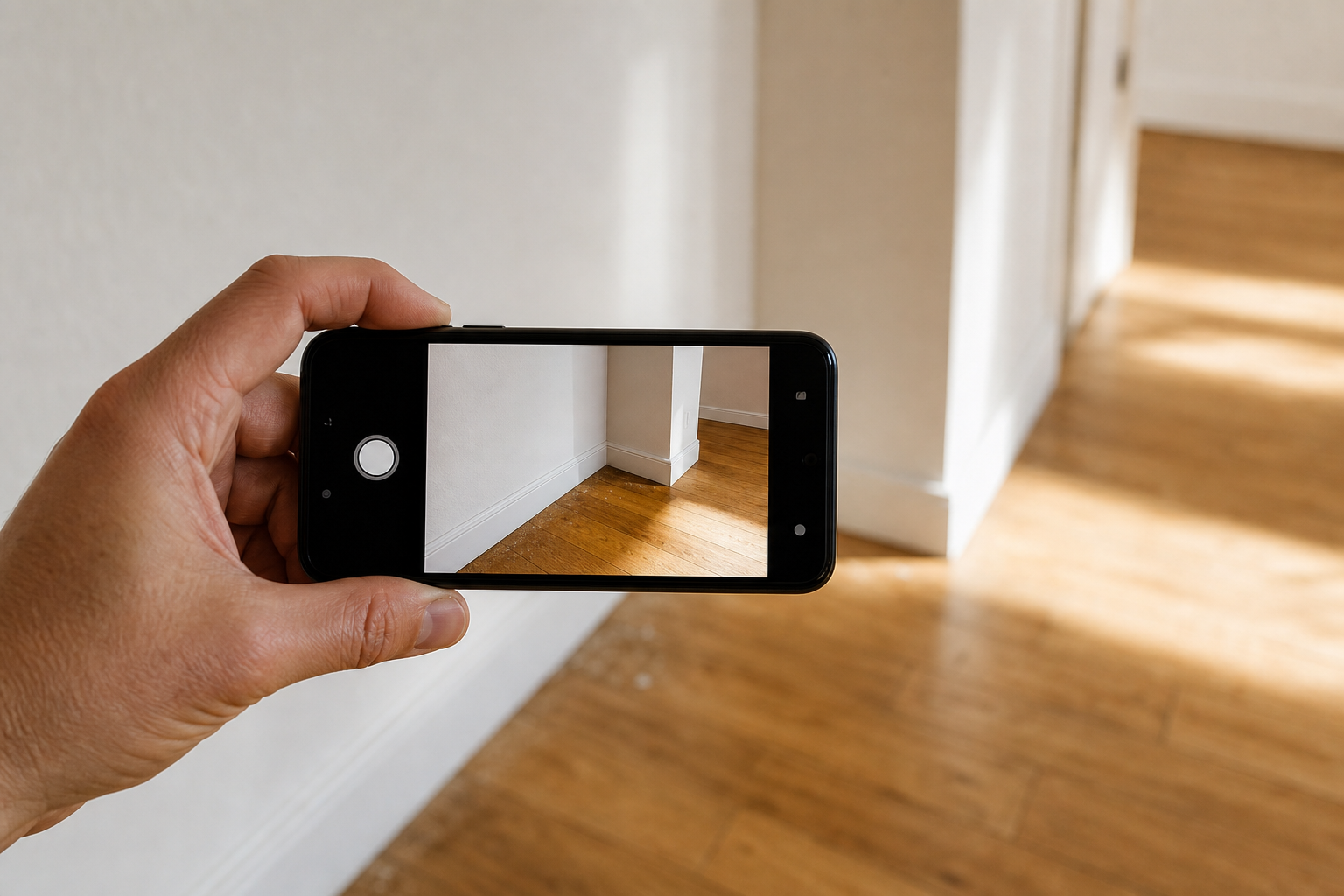
The highest-value thing you can do is take dated photos at move-in and again at move-out. Phone photos carry a timestamp and are commonly accepted as evidence in small claims court. Cover:
- Every wall, close enough to show condition
- Floors, especially corners and high-traffic paths
- Appliances, inside and out
- Bathroom fixtures, grout, and caulk
- Any pre-existing damage, with close-ups
Then, before you hand back the keys:
- Confirm where your deposit and any paperwork should be sent, in writing.
- Take a second round of photos matching your move-in set.
- Keep every text and email with the landlord about the unit's condition.
- Keep a full copy of your lease, including any notice terms for moving out.
The penalty for wrongly keeping your deposit
California law puts a price on getting this wrong. The rule: Up to 2x the deposit in statutory damages, plus actual damages. What triggers it: deposit claimed or retained in bad faith.
A penalty is not automatic: you have to ask for it, usually in small claims court, and the facts have to support it.
Taking your landlord to small claims court
If the deadline passes and the money does not show up, deposit disputes in California go to Small Claims Court (a division of the Superior Court), which hears claims up to $12,500 for an individual ($6,250 if suing as a business). You do not need a lawyer.
Bring:
- Your lease
- Your move-in and move-out photos
- Your written communications with the landlord
- The itemized deduction list the landlord sent, or proof they sent none
- A copy of any demand letter you sent
Start with a short written demand letter before filing: state the amount, cite Cal. Civ. Code § 1950.5, and give a deadline to pay. Plenty of disputes end there, and the letter itself becomes evidence if yours does not.
After it is over
No matter how your case ends, the last step matters most for the next renter: write down what happened. Leave a review of the landlord on RentWise. Deposit handling is one of the most-read parts of a landlord's record, because everyone wants to know what move-out really looks like.
Pay it forward. The next renter is going to look this landlord up before signing. Be the review that warns them, or the one that reassures them. Leave your honest review on RentWise. It takes 2 minutes.
Frequently asked questions
How long does a landlord have to return a security deposit in California?
21 days. The full rule, including exactly when the clock starts, is in Cal. Civ. Code § 1950.5.
What can a California landlord deduct from the deposit?
Under Cal. Civ. Code § 1950.5: unpaid rent; repair of damage beyond ordinary wear and tear caused by the tenant; cleaning to return the unit to its move-in level of cleanliness; restoring/replacing personal property if authorized by the rental agreement.
Can my landlord charge me for normal wear and tear?
No. In California, allowed deductions stop at damage beyond normal wear and tear. Ordinary aging of the unit from everyday living is the landlord's cost of doing business, not yours.
Is there a limit on how much a California landlord can charge for a deposit?
Yes. California caps the deposit: 1 month's rent (AB 12, eff. July 1, 2024). Small-landlord exception up to 2 months: landlord is a natural person or an LLC wholly owned by natural persons owning no more than two rental properties totaling no more than four units; the exception does not apply against a service member.
What happens if my landlord wrongly keeps the deposit?
Up to 2x the deposit in statutory damages, plus actual damages. Enforcement is up to you, usually in Small Claims Court (a division of the Superior Court).
Renting somewhere new? The best way to avoid a deposit fight is to not rent from a landlord who picks one. Before your next lease, look up the landlord on RentWise and see what other renters reported.
This guide is general information, not legal advice, and outcomes depend on the specific facts of your situation. Security deposit law changes; verify the current rules with the California Courts self-help guide to security deposits or get free help from LawHelpCA. Facts last checked against the cited statute on 2026-07-18.